


All Formats & Editions
1 - 2 of 2 results found
Social Dance and the Modernist Imagination in I...
Edition Description
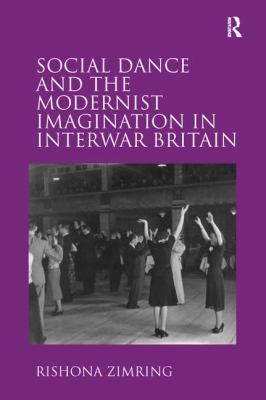
Social dance was ubiquitous in interwar Britain. The social mingling and expression made possible through non-theatrical participatory dancing in couples and groups inspired heated commentary, both vociferous and subtle. By drawing attention to the ways social dance accrued meaning...
Edition Details
Format:Paperback
Language:English
ISBN:1138271896
Format: Paperback
Condition:
$
84.99
Social Dance and the Modernist Imagination in I...
Edition Description
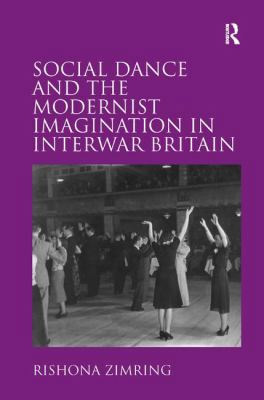
Arguing that social dance haunted the interwar imagination, Zimring reveals the powerful figurative importance of music and dance, both in the aftermath of war, and during Britain's entrance into cosmopolitan modernity and the modernization of gender relations. Analysing paintings,...
Edition Details
Format:Hardcover
Language:English
ISBN:1409455769
Format: Hardcover
Condition:
$
233.99
Copyright © 2026 Thriftbooks.com
Terms of Use | Privacy Policy | Do Not Sell/Share My Personal Information | Cookie Notice | Cookie Preferences | Accessibility Statement
ThriftBooks ® and the ThriftBooks ® logo are registered trademarks of Thrift Books Global, LLC
ThriftBooks ® and the ThriftBooks ® logo are registered trademarks of Thrift Books Global, LLC
