


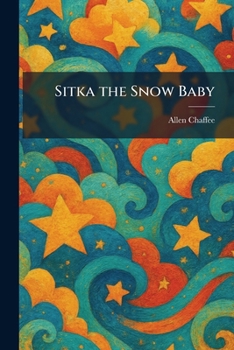
Sitka the Snow Baby

"Sitka the Snow Baby" is an enchanting nature story that follows the early life and adventures of a young polar bear cub in the vast, icy wilderness of the Arctic. Written by Allen Chaffee, a noted author of children's animal fiction, the narrative brings the frozen North to life through the eyes of its most iconic inhabitant.
As Sitka grows and explores his snowy environment, readers are introduced to the challenges of survival in the wild, from learning to hunt to navigating the shifting ice floes. The story emphasizes the bond between the cub and his mother while showcasing a variety of other Arctic wildlife, including seals and walruses. Chaffee's writing combines a gentle sense of wonder with realistic depictions of animal behavior, making it an ideal choice for young readers interested in the natural world.
This timeless work remains a significant example of early 20th-century nature writing for children, blending adventure with a sincere appreciation for the environment. "Sitka the Snow Baby" invites readers to experience the beauty and danger of the polar regions through a perspective that is both heart-warming and informative.
This work has been selected by scholars as being culturally important, and is part of the knowledge base of civilization as we know it. This work was reproduced from the original artifact, and remains as true to the original work as possible. Therefore, you may see the original copyright references, library stamps (as most of these works have been housed in our most important libraries around the world), and other notations in the work.
This work is in the public domain in the United States of America, and possibly other nations. Within the United States, you may freely copy and distribute this work, as no entity (individual or corporate) has a copyright on the body of the work.
As a reproduction of a historical artifact, this work may contain missing or blurred pages, poor pictures, errant marks, etc. Scholars believe, and we concur, that this work is important enough to be preserved, reproduced, and made generally available to the public. We appreciate your support of the preservation process, and thank you for being an important part of keeping this knowledge alive and relevant.
Customer Reviews
ThriftBooks ® and the ThriftBooks ® logo are registered trademarks of Thrift Books Global, LLC
