


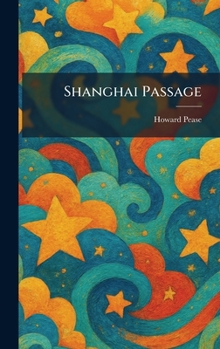

"Shanghai Passage" is a gripping maritime adventure that takes readers onto the high seas during the golden age of tramp steamers. The story follows young Tod Moran as he embarks on a perilous voyage from San Francisco to the mysterious port of Shanghai aboard the "Nanking". What begins as a routine journey quickly descends into a world of danger and intrigue when Tod discovers that the crew is not what it seems. As tensions rise and the threat of mutiny looms, Tod must navigate a web of secrets to uncover the truth behind a sinister plot.
Written by Howard Pease, a master of nautical fiction, this classic tale captures the grit and excitement of life at sea. From the salt-sprayed decks to the dark corners of the engine room, Pease brings the maritime world to life with authentic detail and suspenseful pacing. "Shanghai Passage" stands as a testament to the timeless appeal of the sea story, offering a blend of mystery and coming-of-age action that remains compelling for readers of all ages. This work is an essential piece of early twentieth-century adventure literature, showcasing the courage required to face both the elements and the unknown.
This work has been selected by scholars as being culturally important, and is part of the knowledge base of civilization as we know it. This work was reproduced from the original artifact, and remains as true to the original work as possible. Therefore, you may see the original copyright references, library stamps (as most of these works have been housed in our most important libraries around the world), and other notations in the work.
This work is in the public domain in the United States of America, and possibly other nations. Within the United States, you may freely copy and distribute this work, as no entity (individual or corporate) has a copyright on the body of the work.
As a reproduction of a historical artifact, this work may contain missing or blurred pages, poor pictures, errant marks, etc. Scholars believe, and we concur, that this work is important enough to be preserved, reproduced, and made generally available to the public. We appreciate your support of the preservation process, and thank you for being an important part of keeping this knowledge alive and relevant.
Customer Reviews
ThriftBooks ® and the ThriftBooks ® logo are registered trademarks of Thrift Books Global, LLC
