


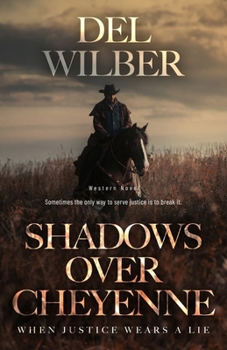
Shadows Over Cheyenne: When Justice Wears A Lie

Shadows Over Cheyenne is a work of fiction. While the novel draws inspiration from real historical events and conditions in the American West during the 1870s and 1880s, all characters and specific events depicted are fictional. The story explores themes of corruption, justice, and individual moral choice within the context of territorial development and the conflicts that arose between different groups competing for land and resources during this period of American expansion.
The systematic corruption and exploitation depicted in the novel, while fictional in its specific details, reflects documented patterns of abuse that occurred throughout the American frontier as rapid territorial development often outpaced legal institutions and federal oversight. The experiences of small ranchers, homesteaders, Mexican landowners, and Native American tribes represent the real struggles of people who found themselves caught between competing interests and inadequate legal protections.
Cord McBride's journey from manipulated tool to independent seeker of justice reflects the broader American experience of individuals trying to find their place and purpose in a rapidly changing society where traditional authorities and institutions were often unreliable or corrupt.
This novel is dedicated to the memory of all those who fought for justice in the American West, both within and outside the formal structures of law and government, and to the ongoing struggle to balance individual conscience with institutional authority in the pursuit of a more just society.
Customer Reviews
ThriftBooks ® and the ThriftBooks ® logo are registered trademarks of Thrift Books Global, LLC
