


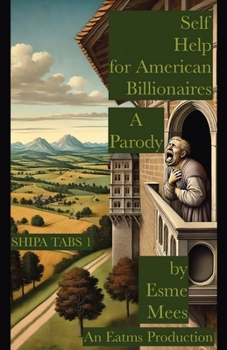
Self Help for American Billionaires A Parody

Self Help for Billionaires is a parody with teeth. Framed as a fake self-help guide for the ultra-rich, it takes aim at billionaire culture, extreme wealth, philanthropy theater, corporate power, and the moral absurdity of a system that treats hoarding as success. The book mocks the habits, language, rituals, and emotional self-justifications of the ruling class, from yacht networking and burnout cosplay to bad-press management and legacy-building without effort. Beneath the satire is a serious argument: billionaires are not a sign of a healthy society. They are a symptom of a broken one.
The voice is sharp, funny, and deliberately cruel in the right places. Each chapter pushes the joke further while staying locked onto the real target: the culture that excuses greed, romanticizes wealth, and keeps asking ordinary people to admire the people making life harder for them. The book skewers self-help language itself along the way, showing how affirmation culture, branding, therapy-speak, and public-image management get used to launder exploitation into something that sounds enlightened. It is satire, but it is not empty performance. It is political satire with a clear class analysis underneath.
What also makes this title stand out is its visual identity. Self Help for Billionaires includes original interior prints by Esme Mees, giving the book an illustrated, art-object quality that most satire titles do not have. The images sharpen the mood of the project and help carry its grotesque world: gold-plated emptiness, class contempt, rot beneath luxury, and the ridiculous spiritual language of people who think private jets count as hardship. The illustrations are part of the joke, part of the atmosphere, and part of what makes the book feel more crafted than a throwaway spoof.
Anyone looking for a darker, smarter take on billionaires, capitalism, class inequality, political satire, economic injustice, and the cult of wealth will find something unusually pointed here. It moves fast, lands hard, and uses parody to say what polite economic language usually tries to hide: that extreme wealth is not aspirational, it is social damage with good lighting.
Customer Reviews
ThriftBooks ® and the ThriftBooks ® logo are registered trademarks of Thrift Books Global, LLC
