


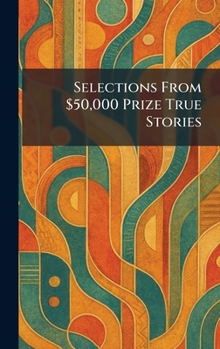
Selections From $50,000 Prize True Stories

"Selections From $50,000 Prize True Stories" is a captivating collection of real-life narratives that offer a window into the lived experiences, triumphs, and tribulations of early 20th-century individuals. Compiled from a prestigious national competition, these stories represent the true story phenomenon that captivated the American public during the 1920s. The anthology features a diverse array of perspectives, ranging from tales of heartbreak and redemption to accounts of everyday heroism and social struggle.
This volume serves as a significant cultural artifact, reflecting the values, anxieties, and aspirations of its era. Readers will find raw and emotionally resonant prose that emphasizes the power of the human spirit. By focusing on authentic, first-person accounts, the collection moves beyond traditional fiction to provide an intimate look at the societal norms and personal dramas of the time. Whether exploring themes of love, loss, or ambition, "Selections From $50,000 Prize True Stories" remains a compelling testament to the art of personal storytelling and the enduring appeal of the human narrative.
This work has been selected by scholars as being culturally important, and is part of the knowledge base of civilization as we know it. This work was reproduced from the original artifact, and remains as true to the original work as possible. Therefore, you may see the original copyright references, library stamps (as most of these works have been housed in our most important libraries around the world), and other notations in the work.
This work is in the public domain in the United States of America, and possibly other nations. Within the United States, you may freely copy and distribute this work, as no entity (individual or corporate) has a copyright on the body of the work.
As a reproduction of a historical artifact, this work may contain missing or blurred pages, poor pictures, errant marks, etc. Scholars believe, and we concur, that this work is important enough to be preserved, reproduced, and made generally available to the public. We appreciate your support of the preservation process, and thank you for being an important part of keeping this knowledge alive and relevant.
Customer Reviews
ThriftBooks ® and the ThriftBooks ® logo are registered trademarks of Thrift Books Global, LLC
