


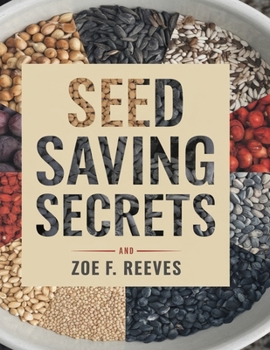
Seed Saving Secrets: Exploring Over 300 Plant Species
No Customer Reviews

Creating a comprehensive handbook for seed preservation is an ambitious yet incredibly rewarding endeavor. As someone who has dabbled in gardening and has a deep appreciation for biodiversity, I can't stress enough the importance of preserving seeds. The idea of safeguarding over three hundred varieties of flora is not just about keeping plants alive; it's about preserving our ecosystem and ensuring future generations can enjoy the beauty and benefits of these plants. When I first started my gardening journey, I was overwhelmed by the sheer number of plant varieties available. Each seed packet seemed to promise something unique, a little treasure waiting to burst forth into life. I remember the first time I saved seeds from my heirloom tomatoes. I was filled with a sense of accomplishment, knowing that I was contributing to the preservation of a variety that had been passed down through generations. It was a simple act, but it felt monumental. In this handbook, I would suggest starting with the basics of seed preservation. Understanding the different types of seeds-like open-pollinated, hybrid, and heirloom-is crucial. Open-pollinated seeds are particularly valuable because they can be saved and replanted year after year, maintaining their genetic integrity. Hybrids, on the other hand, often don't produce true-to-type offspring, so they're not ideal for preservation. Next, I would delve into the various methods of seed saving. There are so many techniques, from drying seeds to fermenting them, and each plant has its own requirements. For instance, I learned the hard way that seeds from wet fruits, like cucumbers, benefit from a fermentation process that helps remove the gelatinous coating. It's a bit messy, but the satisfaction of seeing those seeds sprout the following spring is worth every bit of effort. Throughout the handbook, I would include personal anecdotes and tips that have worked for me. For example, I've found that labeling seeds with the date and variety is essential; it helps me keep track of what I've saved and when to plant them. Plus, I would recommend using tools like spreadsheets or gardening apps to organize your seed inventory. This not only makes the process easier but also adds a level of professionalism to your gardening. Collaboration is another vital aspect of seed preservation. Engaging with local gardening clubs or online communities can provide invaluable insights. I've had numerous discussions with fellow gardeners who have shared their own seed-saving techniques and experiences. This exchange of knowledge enriches the process and fosters a sense of community. Lastly, I would emphasize the importance of real-time information. The world of gardening is ever-evolving, with new techniques and discoveries emerging regularly. Keeping abreast of current research and trends in seed preservation can enhance your practices and ensure you're using the best methods available. In conclusion, creating a comprehensive handbook for seed preservation is not just about cataloging varieties; it's a journey filled with learning, sharing, and nurturing our planet. Whether you're a seasoned gardener or just starting out, the act of saving seeds is a beautiful way to connect with nature and contribute to the sustainability of our environment. So grab those seed packets and start your preservation adventure-you never know what wonders await
Format:Paperback
Language:English
ISBN:B0DQ84FQVK
ISBN13:9798301144967
Release Date:December 2024
Publisher:Independently Published
Length:582 Pages
Weight:2.93 lbs.
Dimensions:1.2" x 8.5" x 11.0"
Customer Reviews
0 rating
Copyright © 2026 Thriftbooks.com
Terms of Use | Privacy Policy | Do Not Sell/Share My Personal Information | Cookie Policy | Cookie Preferences | Accessibility Statement
ThriftBooks ® and the ThriftBooks ® logo are registered trademarks of Thrift Books Global, LLC
ThriftBooks ® and the ThriftBooks ® logo are registered trademarks of Thrift Books Global, LLC
