


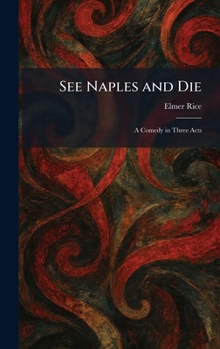
See Naples and Die: A Comedy in Three Acts

"See Naples and Die, a Comedy in Three Acts" is a sharp-witted and satirical stage play by the acclaimed American dramatist Elmer Rice. Set against the picturesque backdrop of a hotel on the Bay of Naples, this three-act comedy explores the romantic follies and social pretensions of an international cast of characters. The story revolves around the escapades of American expatriates and European aristocrats, blending high-society intrigue with farcical misunderstandings.
Known for his keen observations of social dynamics and human nature, Rice delivers a lively narrative filled with sophisticated dialogue and clever plot twists. The play offers a humorous look at the cultural clashes and moral dilemmas faced by travelers in early 20th-century Europe. As tensions rise and secrets are revealed, "See Naples and Die, a Comedy in Three Acts" serves as both an entertaining comedy and a biting critique of the idle rich and the political complexities of the era. This work remains a significant example of American drama, showcasing Rice's versatility and his ability to master the comedy-of-manners genre while maintaining a sense of dramatic tension and wit.
This work has been selected by scholars as being culturally important, and is part of the knowledge base of civilization as we know it. This work was reproduced from the original artifact, and remains as true to the original work as possible. Therefore, you may see the original copyright references, library stamps (as most of these works have been housed in our most important libraries around the world), and other notations in the work.
This work is in the public domain in the United States of America, and possibly other nations. Within the United States, you may freely copy and distribute this work, as no entity (individual or corporate) has a copyright on the body of the work.
As a reproduction of a historical artifact, this work may contain missing or blurred pages, poor pictures, errant marks, etc. Scholars believe, and we concur, that this work is important enough to be preserved, reproduced, and made generally available to the public. We appreciate your support of the preservation process, and thank you for being an important part of keeping this knowledge alive and relevant.
Related Subjects
DramaCustomer Reviews
ThriftBooks ® and the ThriftBooks ® logo are registered trademarks of Thrift Books Global, LLC
