


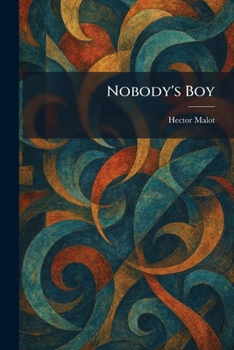
Nobody's Boy

Select Format
Select Condition 
Book Overview
"Nobody's Boy" is a poignant and enduring masterpiece of literature written by Hector Malot. This classic coming-of-age story follows the life of Remi, a young foundling who is sold by his foster father to a mysterious traveling street performer named Vitalis. Together with a loyal troupe of animals-including the faithful dog Capi and the mischievous monkey Joli-C "ur-Remi traverses the countryside, learning the hardships of poverty and the value of friendship.
This picaresque adventure is more than just a tale of survival; it is a deeply moving exploration of a child's search for identity and a place to belong. As Remi faces numerous trials, from harsh winters to legal injustices, his resilience and kind heart remain his greatest strengths. The narrative provides a vivid depiction of 19th-century social conditions while maintaining a timeless appeal through its themes of perseverance and the bonds of found family.
"Nobody's Boy" continues to captivate readers with its emotional depth and rich storytelling. It remains a cornerstone of classic literature, celebrated for its realistic portrayal of life's struggles and the ultimate triumph of the human spirit.
This work has been selected by scholars as being culturally important, and is part of the knowledge base of civilization as we know it. This work was reproduced from the original artifact, and remains as true to the original work as possible. Therefore, you may see the original copyright references, library stamps (as most of these works have been housed in our most important libraries around the world), and other notations in the work.
This work is in the public domain in the United States of America, and possibly other nations. Within the United States, you may freely copy and distribute this work, as no entity (individual or corporate) has a copyright on the body of the work.
As a reproduction of a historical artifact, this work may contain missing or blurred pages, poor pictures, errant marks, etc. Scholars believe, and we concur, that this work is important enough to be preserved, reproduced, and made generally available to the public. We appreciate your support of the preservation process, and thank you for being an important part of keeping this knowledge alive and relevant.
Customer Reviews
Beautiful emotional story about an orphan boy looking for a family of his own.
French Dickensian story
ThriftBooks ® and the ThriftBooks ® logo are registered trademarks of Thrift Books Global, LLC
