


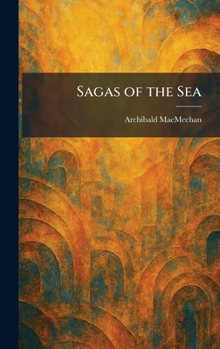
Sagas of the Sea

"Sagas of the Sea" is a compelling collection of true maritime narratives that capture the rugged spirit and perilous reality of life on the North Atlantic. In this work, Archibald MacMechan masterfully recreates the harrowing tales of shipwrecks, daring rescues, and the quiet heroism of those who traversed the unpredictable waters of the Canadian coast. Focusing largely on the seafaring heritage of Nova Scotia, the book presents a series of historical accounts that read with the intensity of fiction while remaining grounded in meticulous research.
The work explores the profound relationship between the people of the Atlantic provinces and the sea that sustained them. From the tragedy of lost vessels to the technical challenges of 19th and early 20th-century navigation, "Sagas of the Sea" serves as a vital record of a vanishing way of life. MacMechan's prose honors the memory of sailors, captains, and coastal communities, preserving their struggles and triumphs for future generations. This collection is an essential resource for enthusiasts of naval history, Canadian heritage, and anyone drawn to the enduring mysteries and adventures found upon the open ocean.
This work has been selected by scholars as being culturally important, and is part of the knowledge base of civilization as we know it. This work was reproduced from the original artifact, and remains as true to the original work as possible. Therefore, you may see the original copyright references, library stamps (as most of these works have been housed in our most important libraries around the world), and other notations in the work.
This work is in the public domain in the United States of America, and possibly other nations. Within the United States, you may freely copy and distribute this work, as no entity (individual or corporate) has a copyright on the body of the work.
As a reproduction of a historical artifact, this work may contain missing or blurred pages, poor pictures, errant marks, etc. Scholars believe, and we concur, that this work is important enough to be preserved, reproduced, and made generally available to the public. We appreciate your support of the preservation process, and thank you for being an important part of keeping this knowledge alive and relevant.
Customer Reviews
ThriftBooks ® and the ThriftBooks ® logo are registered trademarks of Thrift Books Global, LLC
