


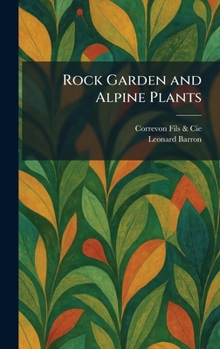
Rock Garden and Alpine Plants

"Rock Garden and Alpine Plants" is a comprehensive guide dedicated to the art and science of cultivating hardy flora in specialized garden environments. This work provides detailed insights into the selection, arrangement, and maintenance of alpine species, which are known for their resilience and unique aesthetic appeal. Written by experts in the field, including the renowned horticulturist Leonard Barron, the book explores the practical aspects of creating naturalistic rock formations that serve as ideal habitats for these specialized plants.
The text covers a wide range of botanical specimens, offering advice on soil composition, drainage requirements, and climate considerations necessary for successful growth. It serves as both a practical manual for gardeners looking to diversify their landscapes and a botanical study of high-altitude vegetation. By emphasizing the ecological needs of alpine plants, the work encourages a deeper understanding of how to replicate mountain conditions in a domestic setting. Readers will find valuable information on various genera and species, making it an essential resource for those interested in the historical development of rock gardening techniques and the enduring beauty of alpine horticulture.
This work has been selected by scholars as being culturally important, and is part of the knowledge base of civilization as we know it. This work was reproduced from the original artifact, and remains as true to the original work as possible. Therefore, you may see the original copyright references, library stamps (as most of these works have been housed in our most important libraries around the world), and other notations in the work.
This work is in the public domain in the United States of America, and possibly other nations. Within the United States, you may freely copy and distribute this work, as no entity (individual or corporate) has a copyright on the body of the work.
As a reproduction of a historical artifact, this work may contain missing or blurred pages, poor pictures, errant marks, etc. Scholars believe, and we concur, that this work is important enough to be preserved, reproduced, and made generally available to the public. We appreciate your support of the preservation process, and thank you for being an important part of keeping this knowledge alive and relevant.
Customer Reviews
ThriftBooks ® and the ThriftBooks ® logo are registered trademarks of Thrift Books Global, LLC
