


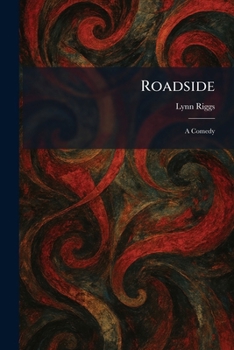
Roadside: A Comedy

"Roadside, a Comedy" is a vibrant folk play by the renowned American dramatist Lynn Riggs, whose work famously captured the unique spirit and vernacular of the American Southwest. Set in the early 20th century in the Oklahoma Territory, the play follows the boisterous adventures of Texas, a larger-than-life wanderer and self-proclaimed "wild man," and his encounter with Hannie, a woman seeking a life beyond the mundane constraints of her current marriage.
A celebration of the untamed frontier spirit, "Roadside, a Comedy" explores the tension between the freedom of the open road and the encroaching forces of law, order, and social convention. With its rich, rhythmic dialogue and colorful characterizations, the work showcases Riggs's mastery of regional storytelling. This play stands as a significant piece of American theatrical history, prefiguring the folk-inflected style that would later characterize the author's most famous works. It offers a humorous and spirited look at characters who refuse to be tamed, making it a classic example of American regional comedy that remains a testament to the cultural identity of the rural West.
This work has been selected by scholars as being culturally important, and is part of the knowledge base of civilization as we know it. This work was reproduced from the original artifact, and remains as true to the original work as possible. Therefore, you may see the original copyright references, library stamps (as most of these works have been housed in our most important libraries around the world), and other notations in the work.
This work is in the public domain in the United States of America, and possibly other nations. Within the United States, you may freely copy and distribute this work, as no entity (individual or corporate) has a copyright on the body of the work.
As a reproduction of a historical artifact, this work may contain missing or blurred pages, poor pictures, errant marks, etc. Scholars believe, and we concur, that this work is important enough to be preserved, reproduced, and made generally available to the public. We appreciate your support of the preservation process, and thank you for being an important part of keeping this knowledge alive and relevant.
Related Subjects
DramaCustomer Reviews
ThriftBooks ® and the ThriftBooks ® logo are registered trademarks of Thrift Books Global, LLC
