


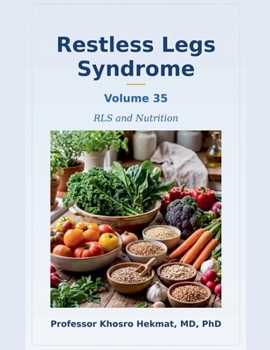
Restless Legs Syndrome - RLS and Nutrition

Can I calm my legs through what I eat?
Iron, vitamins, coffee, superfoods, fasting: many promises circulate about nutrition in restless legs syndrome, and only some of them are supported by evidence. This volume carefully separates the one from the other and says, for every recommendation, how certain the knowledge behind it is.
Alongside the scientific studies, the new edition examines some 165 nutrition guides and cookbooks and measures their promises against the evidence. New chapters cover inflammation and iron, anti-inflammatory eating, Mediterranean cooking, superfoods, fasting, low carb, and vegetarian and vegan diets. None of these ways of eating has been studied in RLS. The book says so openly and marks every transfer as a derivation.
The practical part runs from the food diary through a gentle change of habits to an RLS plate with a sample week - and to a sober assessment of dietary supplements.
WHAT IS IN THE BOOK
- Iron as the most important nutrient, with ferritin above 100 g/l and transferrin saturation as the yardstick
- Vitamin D, B12, folate and the other vitamins, with daily amounts at a glance
- Magnesium, selenium, zinc and the other minerals
- Protein, carbohydrate and fat: amount, kind and timing
- Inflammation, hepcidin and iron - and what anti-inflammatory eating can do
- Mediterranean diet, superfoods, fasting, low carb, vegetarian and vegan
- Coffee, alcohol, sugar, gluten, histamine and the gut
- What the guidebooks promise - and what holds up
WHO THIS BOOK IS FOR
For patients who want to achieve something through diet, for everyone who has come across dietary promises online and wants to know which of them hold, and for family members who do the cooking.
ABOUT THE SERIES
Volume 35 of 52 in the book series on restless legs syndrome, part "Everyday Life and Self-Help". Every volume can be read on its own. The statements in this volume rest on 320 professional sources, each one listed individually in the reference section.
Customer Reviews
ThriftBooks ® and the ThriftBooks ® logo are registered trademarks of Thrift Books Global, LLC
