


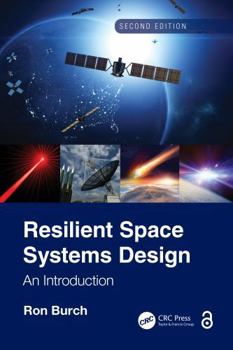
Resilient Space Systems Design: An Introduction

Resilient Space Systems Design: An Introduction demonstrates how quantitative resilience methodologies can be applied to a wide range of space systems and compares them against traditional approaches. It considers the full spectrum of threats facing modern space assets, from natural hazards to intentional interference, and provides a comprehensive framework for ensuring mission continuity.
The new edition includes expanded discussions of mitigation approaches for key threats in increasingly congested orbital environments. It examines the effects of various threats on space systems and ground elements, with particular attention to emerging challenges posed by proliferated low Earth orbit constellations and cyber vulnerabilities. The book also features extended coverage of calculation of avoidance, recovery, reconstitution, and a single resilience value over multiple capabilities, threats, and mitigations.
This book is intended for aerospace engineers, space systems engineers and architects, communications engineers, and network engineers working on improving the survivability and operational continuity of commercial, civil, and military space assets.
Chapter 2 of this book is freely available as a downloadable Open Access PDF at http: //www.taylorfrancis.com under a Creative Commons Attribution-Non Commercial-No Derivatives (CC BY-NC-ND) 4.0 license
Customer Reviews
ThriftBooks ® and the ThriftBooks ® logo are registered trademarks of Thrift Books Global, LLC
