


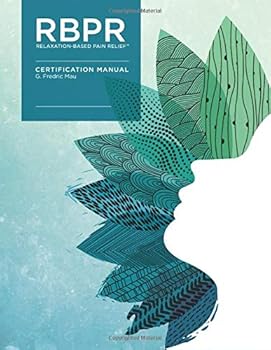
Relaxation-Based Pain Relief Certification Manual
No Customer Reviews

**For sale for a limited time only in the United States. **We are neurologically hardwired to numb pain. But culturally, we've come to rely on chemistry rather than neurology for pain alleviation. If we weave the rich, but fragmented, research-backed evidence for non-chemical pain relief into a simple, elegant standard-of-care that's simple for caregivers to implement, it would change our world.She's 16 but moves like she's 80. As she settles into the chair, tears trail down her drawn, pale face, revealing the pain she's carried since a skim board accident two years ago. The drugs numb her life, but not the pain. An hour later she walks out, moving easily, smiling over tears of joy. This is the story of neurologically-based chronic pain relief. Extensive research shows how our brains numb pain. The terminology for the process is imprecise-mindfulness, guided imagery, tai chi, etc.-and obscures the underlying neurologic evidence that's supported by MRI imaging. Yet the science and the treatment can become focused, standardized-and elegantly integrated into our current care delivery processes. In a culture searching for a cure for chemically-reliant pain relief, the biggest idea is a cultural mindshift-for all of us to understand pain and relief differently. Heading off addiction is only a side effect of changing the way we experience physical pain and realize better relief.
Format:Paperback
Language:English
ISBN:0692109919
ISBN13:9780692109915
Release Date:October 2018
Publisher:Watermark Counseling LLC
Length:120 Pages
Weight:0.82 lbs.
Dimensions:11.0" x 0.3" x 8.5"
Customer Reviews
0 rating
Copyright © 2026 Thriftbooks.com Terms of Use
| Privacy Policy | Do Not
Sell/Share My Personal Information | Cookie Policy | Cookie Preferences | Accessibility Statement
ThriftBooks® and the ThriftBooks® logo are registered trademarks of Thrift Books Global, LLC
ThriftBooks® and the ThriftBooks® logo are registered trademarks of Thrift Books Global, LLC
