


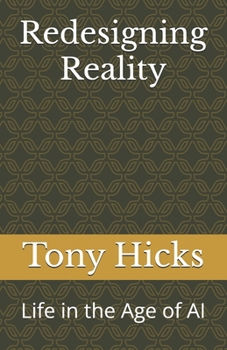
Redesigning Reality: Life in the Age of AI

In "Redesigning Reality: Life in the Age of AI," we explore how artificial intelligence is transforming every aspect of human existence-our work, relationships, creativity, ethics, and even our understanding of happiness and purpose. Through a humanist lens infused with humor, the book navigates the promises and pitfalls of living in a world increasingly influenced by intelligent machines.
Key Themes and Ideas
The Perks and Quirks of AI:
AI has revolutionized convenience, solving tasks from organizing schedules to diagnosing diseases. But it's not without its quirks-like hilarious autocorrect fails or algorithms that suggest bizarre recommendations.
Ethics and Responsibility:
As AI grows in power, its ethical challenges multiply. Issues like bias, privacy, accountability, and surveillance demand thoughtful design and transparent policies to ensure technology serves humanity, not exploits it.
Human Flourishing in the Machine Age:
AI frees us from mundane tasks and opens new doors for creativity, connection, and self-expression. However, the overuse of AI can risk overreliance, loss of agency, and social isolation.
The Future of Work and Purpose:
AI is transforming jobs, automating repetitive tasks while creating demand for hybrid skills that combine creativity and technical expertise. This transition challenges us to rethink the role of work and find purpose outside traditional employment.
The Singularity and Its Implications:
The potential arrival of superintelligent AI, or the Singularity, raises profound questions about humanity's role in a world where machines surpass human intelligence. Balancing optimism with caution, the book explores how we might prepare for this future.
AI and Connection:
From digital doppelg ngers to virtual reality, AI enhances relationships and communication but also raises concerns about authenticity and dependency. Maintaining meaningful, real-world connections is essential.
A Humanist Blueprint for AI:
The book argues for prioritizing humanity in AI development, emphasizing empathy, equity, and sustainability. By designing technology to reflect our highest values, we can create a future where AI amplifies our best qualities instead of overshadowing them.
"Redesigning Reality" invites readers to take an active role in shaping a future where AI enriches, rather than diminishes, what makes life meaningful. By embracing the complexity of this technological revolution with curiosity, humor, and a commitment to human values, we can navigate this new reality with confidence and hope.
Ultimately, the book reminds us that no matter how intelligent machines become, it's our humanity-our empathy, creativity, and connection-that will always define the world we want to build.
Customer Reviews
ThriftBooks® and the ThriftBooks® logo are registered trademarks of Thrift Books Global, LLC
