


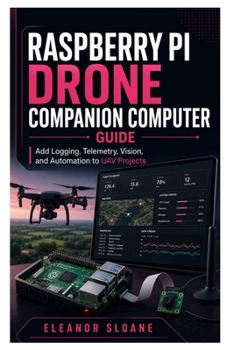
Raspberry Pi Drone Companion Computer Guide: Add Logging, Telemetry, Vision, and Automation to UAV Projects

A flight controller keeps a drone stable and manages critical flight functions. A companion computer performs a different role: it expands what the aircraft can do by supporting data logging, telemetry routing, camera capture, computer vision, external sensors, dashboards, and carefully tested automation.
Raspberry Pi Drone Companion Computer Guide provides a practical, beginner-friendly path for integrating a Raspberry Pi with PX4-, ArduPilot-, and Pixhawk-style UAV systems.
Rather than treating the Raspberry Pi as a replacement for the flight controller, this guide teaches a safer system architecture. The flight controller remains responsible for stabilisation, navigation, motor outputs, arming, and failsafes, while the Raspberry Pi handles flexible supporting tasks.
Inside this project-based guide, you will learn how to:
Choose between Raspberry Pi 4, Raspberry Pi 5, Raspberry Pi Zero 2 W, and Compute Module optionsBalance processing power, heat, weight, connectors, and electrical demandDesign a stable regulated power system for onboard computingMount and protect the board against vibration, loose cables, dust, and overheatingInstall and configure Raspberry Pi OS Lite for headless operationManage the system remotely through secure SSH accessUse practical Linux commands to organise files, inspect logs, manage permissions, and monitor system healthConnect a Raspberry Pi to a flight controller through USB or UARTConfigure serial ports, baud rates, shared ground connections, and device permissionsUnderstand MAVLink heartbeats, telemetry messages, system IDs, and message ratesRoute telemetry using MAVProxy and network connectionsLaunch scripts automatically at startup using systemdAdd health checks, restart behaviour, storage warnings, and recovery routinesValidate the entire system in simulation and on the bench before flightPrepare a repeatable flight-day, post-flight, and maintenance procedureTen practical projects guide you through building a bench kit, preparing a headless operating system, creating a telemetry bridge, reading MAVLink data, building a flight logger, developing a status dashboard, capturing mission-aware images, running a vision pipeline, recording payload events, and completing a full readiness test.
The book also includes hardware checklists, command references, recommended folder structures, testing procedures, troubleshooting guidance, and responsible field-deployment practices.
Whether you are a student, maker, drone hobbyist, technician, researcher, developer, or small UAV service provider, this guide will help you build a companion computer system that is organised, testable, and dependable.
Connect the systems. Capture the data. Automate support tasks. Test everything before the propellers turn.
Customer Reviews
ThriftBooks ® and the ThriftBooks ® logo are registered trademarks of Thrift Books Global, LLC
