
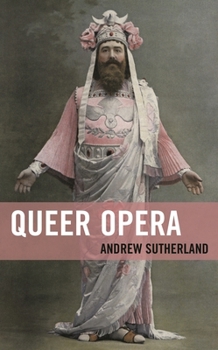
In Queer Opera, Andrew Sutherland argues that operas often reflect characteristics of the society and epistime in which they are written but that they also do much more than that; operas have agency. LGBTQ+ social, cultural, and political issues have become an increasingly defining feature of twenty-first century life, and as agency for change, composers have turned to opera to underscore the lived queer experience. Sutherland posits that operas written before the sexual revolution of the mid-twentieth century utilized a codified language both in the libretto and score, communicating with those observers open to a queer reading. He explores the growing trend of local, small-scale, independent opera companies seen around the world towards the end of the first decade of the twenty-first century and argues that this has emboldened queer artists to reclaim opera as a queer space. He further argues that for several centuries, opera houses have been safe havens for queer composers, librettists, performers, and designers, and yet it is only relatively recently that any serious attempt at queer representation in operatic works has begun to be realized. In this book, he examines narratives and music of selected operas to walk through queer history in Western societies and shines a light on how many of opera's well-known characters, based on historical figures who represent pivotal moments in the queer story, are responsible in a variety of ways for the continued struggle for queer acceptance.
ThriftBooks sells millions of used books at the lowest
everyday prices. We personally assess every book's quality and offer rare, out-of-print treasures. We
deliver the joy of reading in recyclable packaging with free standard shipping on US orders over $15.
ThriftBooks.com. Read more. Spend less.
