


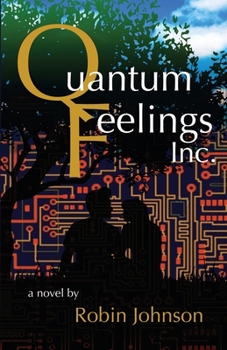
Quantum Feelings, Inc.

The pills work. That's the problem.
NeuroEase can stabilize a panicking teenager in forty-five minutes. It's FDA-approved, federally funded, and scaling fast. What it can't do is explain why an entire generation is anxious-or help them find their way back to themselves.
Four MIT graduates have spent a decade approaching the youth anxiety question from different angles: a startup founder who built the pill, a psychologist who won't prescribe it, a professor designing nature-based alternatives the insurance system doesn't know how to reimburse, and a journalist whose platform is becoming the story she's trying to cover.
As federal funding shifts and institutional trust collapses, their separate efforts begin to converge-not neatly, and not without cost. Their innovations are messy, human, evoking the hopepunk spirit of Kim Stanley Robinson's The Ministry for the Future - grounded in the possible, not the perfect.
This is a story about the people doing the work: a warm, diverse ensemble of Millennials navigating ambition, connection, and identity as personal journeys against a backdrop of America's broken public health system. Think Becky Chambers' warmth - where identity is lived rather than debated.
What readers are saying:
"One of the smartest and most timely novels I've read in years." - Amazon reviewer"Brainy, romantic and hopeful - just the antidote I need." - Verified reader"Hopepunk: the genre I didn't know I was missing." - Verified reader"No one is a villain. Each character sincerely wants to help - and their conflict reflects the ethical dilemmas we're all navigating." - Goodreads reviewer"The proposed solution actually seems viable. It gives me hope there are other options besides over-medicating this anxious generation." - Verified readerCustomer Reviews
ThriftBooks ® and the ThriftBooks ® logo are registered trademarks of Thrift Books Global, LLC
