


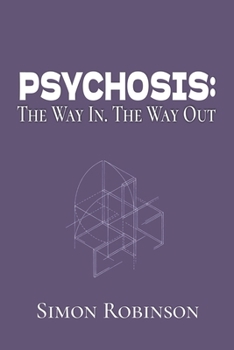
Psychosis: The Way In. The Way Out.

Psychosis: The Way In. The Way Out. is a quiet, first-person account of experiencing psychosis from the inside, written with deliberate restraint and care.
Written without instruction, diagnosis, or promise of cure, the book unfolds as a sequence of short reflections that trace how perception, language, and identity shift under psychological strain. Rather than interpreting unusual experiences or assigning meaning to them, it stays close to lived experience, observing how thoughts, images, and feelings arise, intensify, loosen, and pass over time.
The narrative does not seek to explain psychosis or transform it into insight. It does not validate or endorse conclusions drawn during periods of psychological distress. Instead, it examines how certainty itself can become destabilising, and how attention, naming, and interpretation interact in moments of vulnerability.
This revised edition expands and reorganises the work into a continuous narrative arc, accompanied by minimal symbolic imagery. The emphasis is on observation rather than explanation, allowing readers to recognise familiar patterns of inner experience without being told what to believe or how to recover.
This book is not a medical guide and does not replace professional care. It is written for readers who want careful, honest language for what psychosis can feel like from the inside, and who value clarity, restraint, and ethical precision over advice, reassurance, or interpretation.
Customer Reviews
ThriftBooks® and the ThriftBooks® logo are registered trademarks of Thrift Books Global, LLC
