


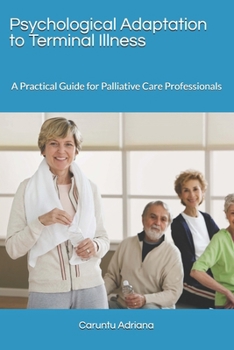
Psychological Adaptation to Terminal Illness: A Practical Guide for Palliative Care Professionals
No Customer Reviews

Terminal illness profoundly affects every aspect of a person's life-not only physically, but also emotionally, psychologically, socially, spiritually, and existentially. Helping patients adapt to the reality of life-limiting illness is one of the greatest challenges faced by palliative care professionals.
Psychological Adaptation to Terminal Illness provides a comprehensive, evidence-based guide for healthcare professionals seeking to better understand and support the emotional journey of patients and their families.
This practical resource explores the psychological processes involved in adapting to terminal illness, including anxiety, depression, anticipatory grief, fear of death, existential distress, resilience, hope, meaning-making, and spiritual concerns. Drawing on current evidence and established psychological models, the book offers practical strategies for assessment, communication, and therapeutic intervention within multidisciplinary palliative care.
Readers will learn how to recognize psychological distress, conduct meaningful conversations, strengthen therapeutic relationships, support families, integrate culturally sensitive care, and apply interventions such as cognitive-behavioral approaches, acceptance-based therapies, mindfulness, dignity therapy, and meaning-centered care.
Special attention is given to communication during difficult conversations, ethical challenges, family dynamics, cultural diversity, and the emotional well-being of healthcare professionals themselves.
Combining theory with practical guidance, this book serves as a valuable resource for improving compassionate, person-centered care while promoting psychological resilience and quality of life for patients facing serious illness.
Whether working in hospitals, hospices, community services, or home-based care, healthcare professionals will find evidence-based tools that can immediately enhance clinical practice. Why You Should Read and Buy This BookGain practical psychological skills for everyday clinical practiceDiscover evidence-based techniques that help patients and families adapt emotionally to terminal illness while improving communication and therapeutic relationships.Integrate psychology into holistic palliative careLearn how psychological, social, spiritual, and existential care can be combined with medical treatment to improve quality of life.Apply evidence-based interventions with confidenceAccess practical guidance on assessment tools, counseling strategies, resilience-building, dignity therapy, cognitive-behavioral approaches, mindfulness, and meaning-centered interventions. What Makes This Book Unique
1. Focuses specifically on psychological adaptation rather than general psychosocial care.
2. Combines psychology, palliative medicine, communication, spirituality, and ethics in a single practical framework.
3. Bridges scientific evidence with real-world clinical applications for multidisciplinary teams. Who Should Read This Book?
This book is designed for: Palliative care physiciansPsychologistsPsychiatristsNursesSocial workersSpiritual care providersCounselorsHospice professionalsOncology teamsMedical studentsNursing studentsPhD candidatesHealthcare educatorsResearchers in palliative careMental health professionals
Psychological Adaptation to Terminal Illness provides a comprehensive, evidence-based guide for healthcare professionals seeking to better understand and support the emotional journey of patients and their families.
This practical resource explores the psychological processes involved in adapting to terminal illness, including anxiety, depression, anticipatory grief, fear of death, existential distress, resilience, hope, meaning-making, and spiritual concerns. Drawing on current evidence and established psychological models, the book offers practical strategies for assessment, communication, and therapeutic intervention within multidisciplinary palliative care.
Readers will learn how to recognize psychological distress, conduct meaningful conversations, strengthen therapeutic relationships, support families, integrate culturally sensitive care, and apply interventions such as cognitive-behavioral approaches, acceptance-based therapies, mindfulness, dignity therapy, and meaning-centered care.
Special attention is given to communication during difficult conversations, ethical challenges, family dynamics, cultural diversity, and the emotional well-being of healthcare professionals themselves.
Combining theory with practical guidance, this book serves as a valuable resource for improving compassionate, person-centered care while promoting psychological resilience and quality of life for patients facing serious illness.
Whether working in hospitals, hospices, community services, or home-based care, healthcare professionals will find evidence-based tools that can immediately enhance clinical practice. Why You Should Read and Buy This BookGain practical psychological skills for everyday clinical practiceDiscover evidence-based techniques that help patients and families adapt emotionally to terminal illness while improving communication and therapeutic relationships.Integrate psychology into holistic palliative careLearn how psychological, social, spiritual, and existential care can be combined with medical treatment to improve quality of life.Apply evidence-based interventions with confidenceAccess practical guidance on assessment tools, counseling strategies, resilience-building, dignity therapy, cognitive-behavioral approaches, mindfulness, and meaning-centered interventions. What Makes This Book Unique
1. Focuses specifically on psychological adaptation rather than general psychosocial care.
2. Combines psychology, palliative medicine, communication, spirituality, and ethics in a single practical framework.
3. Bridges scientific evidence with real-world clinical applications for multidisciplinary teams. Who Should Read This Book?
This book is designed for: Palliative care physiciansPsychologistsPsychiatristsNursesSocial workersSpiritual care providersCounselorsHospice professionalsOncology teamsMedical studentsNursing studentsPhD candidatesHealthcare educatorsResearchers in palliative careMental health professionals
Format:Paperback
Language:English
ISBN:B0H7RYPVZL
ISBN13:9798185831090
Release Date:July 2026
Publisher:Independently Published
Length:128 Pages
Weight:0.40 lbs.
Dimensions:0.3" x 6.0" x 9.0"
Customer Reviews
0 rating
Copyright © 2026 Thriftbooks.com
Terms of Use | Privacy Policy | Do Not Sell/Share My Personal Information | Cookie Policy | Cookie Preferences | Accessibility Statement
ThriftBooks ® and the ThriftBooks ® logo are registered trademarks of Thrift Books Global, LLC
ThriftBooks ® and the ThriftBooks ® logo are registered trademarks of Thrift Books Global, LLC
