


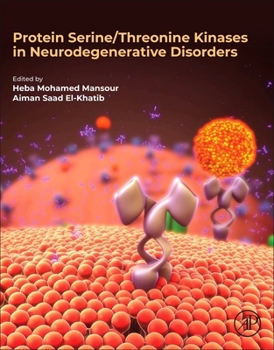
Protein Serine/Threonine Kinases in Neurodegenerative Disorders

Protein Serine/Threonine Kinases in Neurodegenerative Disorders discusses protein kinase inhibitors and their potential role in modulating and treating neurodegenerative diseases. The book introduces protein kinases and inhibitors and includes detailed discussions on different types of kinases, including protein kinase C (PKC), AMP-activated protein kinase (AMPK), death-associated protein kinase 1 (DAPK1), cyclin-dependent kinases (CDKs), glycogen synthase kinases (GSKs), Rho-associated protein kinase (ROCK), microtubule affinity regulating kinases (MARKs), mammalian target of rapamycin (mTOR), leucine-rich repeat kinase 2 (LRRK2), PTEN-induced kinase 1 (PINK1), and dual-specificity tyrosine phosphorylation-regulated kinase (DYRK), and their roles in neurodegenerative disease, potential inhibitors, and therapeutic mechanisms.
This book features 23 chapters written by renowned experts in the field of kinases. It explores novel targets modulated by protein kinases, including noncoding RNAs (ncRNAs) and mitogen-activated protein kinases (MAPKs) activated by tyrosine receptor kinases, and their roles in neurodegeneration. It also discusses the nexus between glycogen synthase kinases (GSKs) and glucagon-like peptide-1 receptor agonists (GLP-1RAs) and their role of metabolic regulation in neurodegeneration. The modulatory effects of protein kinase B (PKB/AKT) pathways in various neurodegenerative disorders, particularly Parkinson's disease, are also examined. This book sheds light on bioactive compounds from natural products that target kinases and explains the role of different kinases in various pathogenic pathways and mechanisms involved in neurodegeneration, including regulated cell death, autophagy, synaptic dysfunction, and neuroinflammation.Customer Reviews
ThriftBooks ® and the ThriftBooks ® logo are registered trademarks of Thrift Books Global, LLC
