


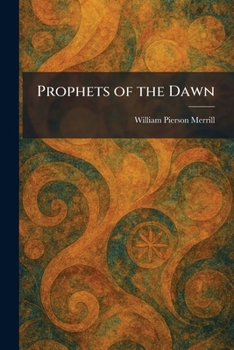
Prophets of the Dawn

Select Format
Select Condition 
Book Overview
"Prophets of the Dawn" is an insightful exploration of the lives and enduring messages of the Hebrew prophets. Written by William Pierson Merrill, this work examines how these ancient voices spoke to the moral and spiritual crises of their own times and how their visions continue to resonate with modern faith. Merrill delves into the core teachings of transformative figures such as Amos, Hosea, Isaiah, and Micah, positioning them not merely as foretellers of the future, but as courageous leaders who championed social justice, mercy, and a deeper, more personal relationship with the divine.
The book emphasizes the relevance of the prophetic tradition in guiding the individual soul and society toward a new spiritual morning. Through clear prose and profound theological reflection, "Prophets of the Dawn" offers readers a scholarly yet accessible look at the foundations of Biblical prophecy. It serves as a valuable resource for those seeking to understand the historical context and the permanent spiritual value of the men who fundamentally shaped religious consciousness. Merrill's analysis highlights the historical continuity of faith and the power of the prophetic voice to inspire renewal in every generation.
This work has been selected by scholars as being culturally important, and is part of the knowledge base of civilization as we know it. This work was reproduced from the original artifact, and remains as true to the original work as possible. Therefore, you may see the original copyright references, library stamps (as most of these works have been housed in our most important libraries around the world), and other notations in the work.
This work is in the public domain in the United States of America, and possibly other nations. Within the United States, you may freely copy and distribute this work, as no entity (individual or corporate) has a copyright on the body of the work.
As a reproduction of a historical artifact, this work may contain missing or blurred pages, poor pictures, errant marks, etc. Scholars believe, and we concur, that this work is important enough to be preserved, reproduced, and made generally available to the public. We appreciate your support of the preservation process, and thank you for being an important part of keeping this knowledge alive and relevant.
Customer Reviews
ThriftBooks® and the ThriftBooks® logo are registered trademarks of Thrift Books Global, LLC
