


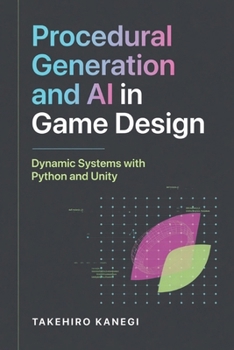
Procedural Generation and AI in Game Design: Dynamic Systems with Python and Unity

Procedural Generation and AI in Game Design introduces readers to the core techniques behind dynamic, replayable video game experiences.
This book explores how procedural generation and artificial intelligence can be combined to create rich, responsive game worlds. Through practical examples using Python and Unity, it covers the implementation of stochastic algorithms, dynamic systems, and optimization methods for achieving better balance and variety in gameplay.
Readers will learn how to build adaptive content, generate environments and mechanics algorithmically, and integrate AI to enhance game systems. The focus remains on clear, implementable approaches that bridge technical concepts with real game design outcomes.
Whether you are an intermediate developer or an experienced programmer interested in procedural and AI-driven design, this book offers structured guidance for applying these powerful tools in Unity-based game projects.
Key Topics:
Procedural generation fundamentalsStochastic algorithms and randomness in designDynamic systems and adaptive contentBalance optimization techniquesIntegration of Python with Unity for procedural workflowsCustomer Reviews
ThriftBooks ® and the ThriftBooks ® logo are registered trademarks of Thrift Books Global, LLC
