


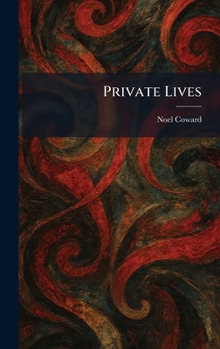
Private Lives

"Private Lives" is a sophisticated comedy of manners that remains one of the most celebrated works of 20th-century British drama. Written by the legendary Noel Coward, the play explores the volatile and passionate relationship between Elyot Chase and Amanda Prynne, a divorced couple who accidentally cross paths while honeymooning with their respective new spouses at the same hotel in France. Despite their past grievances and the presence of their new partners, Sibyl and Victor, the duo realizes that they are still hopelessly drawn to one another.
The narrative follows Elyot and Amanda as they impulsively flee to Paris, reigniting a romance characterized by sharp wit, intense arguments, and an undeniable chemistry. Coward's masterful dialogue skewers the social conventions of the era, offering a satirical look at marriage, monogamy, and the complexities of human desire. Since its debut in 1930, "Private Lives" has been hailed for its sparkling humor and its insightful portrayal of the thin line between love and hate. This enduring classic continues to captivate audiences with its elegant structure and timeless exploration of the turbulent nature of romantic obsession.
This work has been selected by scholars as being culturally important, and is part of the knowledge base of civilization as we know it. This work was reproduced from the original artifact, and remains as true to the original work as possible. Therefore, you may see the original copyright references, library stamps (as most of these works have been housed in our most important libraries around the world), and other notations in the work.
This work is in the public domain in the United States of America, and possibly other nations. Within the United States, you may freely copy and distribute this work, as no entity (individual or corporate) has a copyright on the body of the work.
As a reproduction of a historical artifact, this work may contain missing or blurred pages, poor pictures, errant marks, etc. Scholars believe, and we concur, that this work is important enough to be preserved, reproduced, and made generally available to the public. We appreciate your support of the preservation process, and thank you for being an important part of keeping this knowledge alive and relevant.
Related Subjects
DramaCustomer Reviews
ThriftBooks ® and the ThriftBooks ® logo are registered trademarks of Thrift Books Global, LLC
