


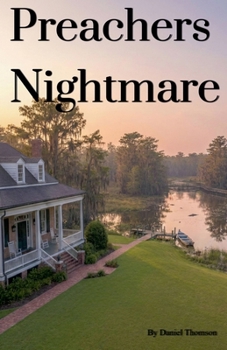
Preachers Nightmare

Father John, son of a Louisiana plantation owner, inherits his family's estate in the 1800s, a time rife with the moral complexities of slavery. He finds himself in a profound internal conflict, torn between the ingrained traditions of his upbringing, which include slave ownership, and his commitment to his vows as a Catholic priest. This internal struggle is amplified by the burgeoning unrest among the enslaved people on the plantation, who are increasingly unwilling to endure their subjugation. As the enslaved begin to resist, a series of unexplained and ominous occurrences plague the estate, hinting at forces beyond the ordinary. The escalating tension and supernatural events culminate in the tragic death of Father John, which is attributed to a voodoo spell. This ending underscores the novel's exploration of the profound spiritual and moral turmoil of the era, suggesting that the sins of the past, particularly slavery, have a potent and destructive afterlife, impacting both the oppressors and the oppressed, and leading to a grim and inescapable fate.
Customer Reviews
ThriftBooks ® and the ThriftBooks ® logo are registered trademarks of Thrift Books Global, LLC
