


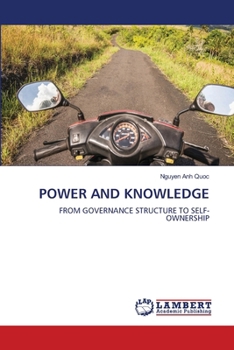
Power and Knowledge
No Customer Reviews

The book is grounded in the thesis that knowledge is not a neutral reflection of reality but a historical structure tied to mechanisms of power. Power operates not only through coercion but also through institutions, norms, data, and algorithms, thereby directly participating in the process of forming subjects. The work analyzes the shift from traditional forms of governance to data-driven governance mechanisms, in which human behavior is increasingly predicted, categorized, and navigated by digital systems. The modern subject is at risk of being dataized, gradually losing its autonomy and being identified with the algorithmic profile. The concept of "owning yourself" is considered a central principle in reconstructing the subject in the digital age. Reflective education, the right to control personal data, the limitation of the power of algorithms, and realistic, human-centered technological design are seen as necessary conditions for protecting freedom. The future of humanity is not determined by data or artificial intelligence, but by humanity's capacity to defend truth, creativity, freedom, and responsibility as the core foundations of development.
Format:Paperback
Language:English
ISBN:6630105168
ISBN13:9786630105162
Release Date:June 2026
Publisher:LAP Lambert Academic Publishing
Length:240 Pages
Weight:0.72 lbs.
Dimensions:0.6" x 6.0" x 9.0"
Related Subjects
PhilosophyCustomer Reviews
0 rating
Copyright © 2026 Thriftbooks.com
Terms of Use | Privacy Policy | Do Not Sell/Share My Personal Information | Cookie Policy | Cookie Preferences | Accessibility Statement
ThriftBooks ® and the ThriftBooks ® logo are registered trademarks of Thrift Books Global, LLC
ThriftBooks ® and the ThriftBooks ® logo are registered trademarks of Thrift Books Global, LLC
