




Book Overview
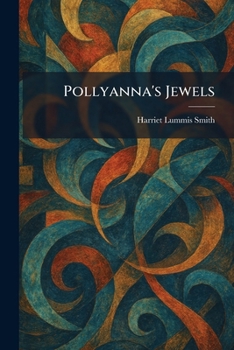
"Pollyanna's Jewels" is a heartwarming continuation of the beloved story of Pollyanna Whittier, the girl who taught the world the "glad game." In this installment of the "Glad Book" series, written by Harriet Lummis Smith, Pollyanna has transitioned into a new chapter of her life as a wife and mother. The story explores the joys and challenges of raising her three children-her "jewels"-while maintaining the optimistic spirit that defined her youth.
Set against the backdrop of early 20th-century family life, the narrative highlights the enduring power of a positive outlook and the strength found in domestic bonds. Readers will find the same charm and uplifting themes that made the original "Pollyanna" a literary phenomenon. As Pollyanna navigates the complexities of parenthood, she continues to spread sunshine and resilience, proving that the philosophy of gladness remains relevant through every stage of life. This classic work serves as a nostalgic exploration of family dynamics and a testament to the lasting legacy of one of literature's most optimistic heroines.
This work has been selected by scholars as being culturally important, and is part of the knowledge base of civilization as we know it. This work was reproduced from the original artifact, and remains as true to the original work as possible. Therefore, you may see the original copyright references, library stamps (as most of these works have been housed in our most important libraries around the world), and other notations in the work.
This work is in the public domain in the United States of America, and possibly other nations. Within the United States, you may freely copy and distribute this work, as no entity (individual or corporate) has a copyright on the body of the work.
As a reproduction of a historical artifact, this work may contain missing or blurred pages, poor pictures, errant marks, etc. Scholars believe, and we concur, that this work is important enough to be preserved, reproduced, and made generally available to the public. We appreciate your support of the preservation process, and thank you for being an important part of keeping this knowledge alive and relevant.
Customer Reviews
ThriftBooks® and the ThriftBooks® logo are registered trademarks of Thrift Books Global, LLC
