


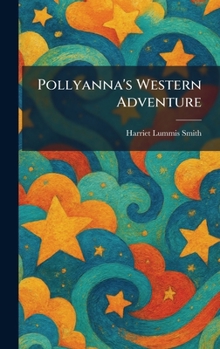
Pollyanna's Western Adventure

"Pollyanna's Western Adventure" follows the beloved heroine of the glad philosophy as she travels far from her familiar surroundings to the rugged landscapes of the American West. Written by Harriet Lummis Smith, this continuation of the celebrated series finds Pollyanna bringing her signature optimism and resilience to a new frontier. As she navigates the challenges of a different way of life, she encounters a diverse cast of characters and experiences the beauty and unpredictability of the wilderness.
In this installment, the themes of hope and perseverance are tested against the backdrop of ranch life and western tradition. Pollyanna's ability to find the good in every situation remains at the heart of the story, serving as an inspiration to those she meets. The narrative blends elements of adventure and personal growth, capturing the spirit of the early 20th-century American West while maintaining the heartwarming tone that made the original "Pollyanna" a literary phenomenon. This work stands as a testament to the enduring power of a positive outlook, making it a captivating read for fans of classic juvenile fiction and heartwarming tales of discovery.
This work has been selected by scholars as being culturally important, and is part of the knowledge base of civilization as we know it. This work was reproduced from the original artifact, and remains as true to the original work as possible. Therefore, you may see the original copyright references, library stamps (as most of these works have been housed in our most important libraries around the world), and other notations in the work.
This work is in the public domain in the United States of America, and possibly other nations. Within the United States, you may freely copy and distribute this work, as no entity (individual or corporate) has a copyright on the body of the work.
As a reproduction of a historical artifact, this work may contain missing or blurred pages, poor pictures, errant marks, etc. Scholars believe, and we concur, that this work is important enough to be preserved, reproduced, and made generally available to the public. We appreciate your support of the preservation process, and thank you for being an important part of keeping this knowledge alive and relevant.
Customer Reviews
ThriftBooks ® and the ThriftBooks ® logo are registered trademarks of Thrift Books Global, LLC
