



Select Format
Select Condition 
Book Overview
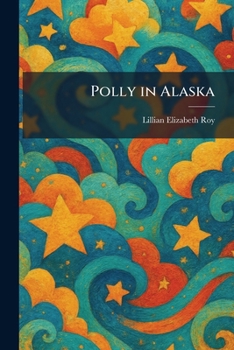
"Polly in Alaska" is a spirited adventure novel that follows the intrepid Polly Brewster as she travels to the vast and rugged wilderness of the far north. As part of Lillian Elizabeth Roy's popular series for young readers, this installment transports the protagonist and her companions from their familiar surroundings into the heart of the Alaskan territory during a time of great exploration and change. The narrative captures the awe-inspiring beauty of the northern landscape, from its towering mountains to its icy fjords, providing a vivid backdrop for Polly's latest exploits.
As the group navigates the challenges of the frontier, the story emphasizes themes of independence, resourcefulness, and the bonds of friendship. Polly encounters a diverse cast of characters and experiences the unique trials of life in the wilderness, all while maintaining her trademark curiosity and resilience. This work is a classic example of early 20th-century juvenile fiction, reflecting the era's fascination with travel and the pioneering spirit. "Polly in Alaska" remains an engaging tale of discovery, offering readers a window into the historical allure of the Alaskan frontier through the eyes of a determined young woman.
This work has been selected by scholars as being culturally important, and is part of the knowledge base of civilization as we know it. This work was reproduced from the original artifact, and remains as true to the original work as possible. Therefore, you may see the original copyright references, library stamps (as most of these works have been housed in our most important libraries around the world), and other notations in the work.
This work is in the public domain in the United States of America, and possibly other nations. Within the United States, you may freely copy and distribute this work, as no entity (individual or corporate) has a copyright on the body of the work.
As a reproduction of a historical artifact, this work may contain missing or blurred pages, poor pictures, errant marks, etc. Scholars believe, and we concur, that this work is important enough to be preserved, reproduced, and made generally available to the public. We appreciate your support of the preservation process, and thank you for being an important part of keeping this knowledge alive and relevant.
Customer Reviews
ThriftBooks ® and the ThriftBooks ® logo are registered trademarks of Thrift Books Global, LLC
