


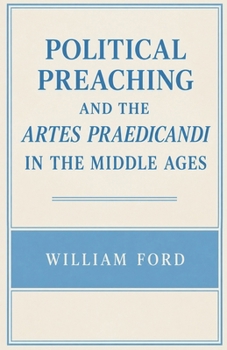
Political Preaching and the Artes Praedicandi in the Middle Ages

The political history of the Middle Ages has long been written through the study of kings, princes, councils, wars, laws, and institutions. Equally influential, however, were the words that echoed from pulpits in cathedrals, parish churches, monastic houses, universities, and urban squares. Medieval politics unfolded not only in courts and chancelleries but also in sermons. The preacher stood at a unique intersection of authority, communication, and persuasion, mediating between sacred doctrine and worldly affairs. Through preaching, moral principles were translated into political expectations, rulers were praised or admonished, wars were justified, reforms were advocated, and communities were instructed in the meanings of obedience, justice, and legitimate authority. To understand medieval politics fully, it is therefore necessary to understand the culture of preaching that permeated nearly every level of medieval society. This book examines the relationship between politics and the artes praedicandi, the medieval arts of preaching. It argues that preaching was among the most important forms of political communication available in medieval Europe and that the theoretical traditions governing sermon composition played a crucial role in shaping political discourse.
Customer Reviews
ThriftBooks ® and the ThriftBooks ® logo are registered trademarks of Thrift Books Global, LLC
