


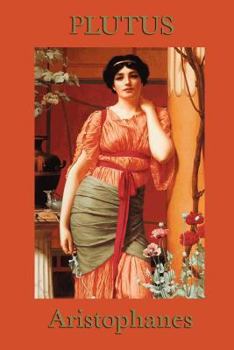
Plutus: A Classical Greek Comedy of Wealth and Justice

Select Format
Select Condition 
Book Overview
Aristophanes' Plutus is a satirical comedy that examines wealth, justice, and the uneven distribution of fortune in human life. The play follows Chremylus, an honest but impoverished man who seeks to restore sight to Plutus, the god of wealth, in the hope that riches will be granted to those who deserve them rather than distributed at random.
Through sharp dialogue and comic situations, Aristophanes critiques social inequality, moral blindness, and the assumptions surrounding prosperity and virtue. The play balances humor with pointed commentary, using its premise to question whether wealth can ever be justly allocated and what consequences might follow if it were.
Plutus remains one of Aristophanes' later works and continues to be valued for its blend of comedy and social reflection. Its accessible structure and enduring themes make it suitable for both classroom study and general readers interested in classical drama and political satire.
Related Subjects
Drama History Literary Literary Criticism & Collections Literature Literature & FictionCustomer Reviews
ThriftBooks ® and the ThriftBooks ® logo are registered trademarks of Thrift Books Global, LLC
