


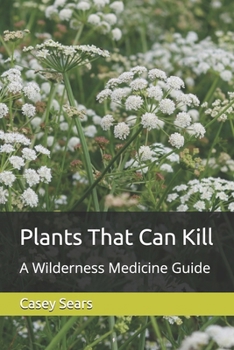
Plants That Can Kill: A Wilderness Medicine Guide

In the wild, every plant is a gamble-some nourish, others destroy.
Plant exposures remain one of the most common reasons families call poison control centers, especially when children are involved. In the U.S. alone, millions of visits each year are linked to urushiol dermatitis-rashes from poison ivy, oak, and sumac that arrive as predictably as summer. Globally, mushrooms like Amanita phalloides, the death cap, continue to cause the majority of mushroom-related deaths.
In cities, these cases reach hospitals quickly. But in the backcountry, hours or days from care, the same exposures can spiral-mild dermatitis turning to infection, mild vomiting to dehydration and shock. Distance sharpens danger.
This guide is built on a simple truth: in the wilderness, every leaf, berry, and mushroom must be treated as both potential sustenance and threat. The chapters ahead explore the fine line between healing and harm-because out here, nature doesn't come with warning labels.
Customer Reviews
ThriftBooks ® and the ThriftBooks ® logo are registered trademarks of Thrift Books Global, LLC
