


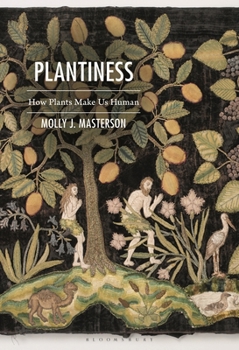
Plantiness: How Plants Make Us Human
No Customer Reviews

Plants have always shaped what it means to be human, changing our behaviours, settlement
patterns, and our relations with the world.
alongside - rather than against - the world around us. In highlighting how plantiness shapes human becoming, archaeologists can help redefine our relationship with plants for the future.
Format:Hardcover
Language:English
ISBN:B0GTC5Y5BM
ISBN13:9798216378129
Release Date:December 2026
Publisher:Bloomsbury Academic
Length:208 Pages
Weight:1.00 lbs.
Dimensions:1.0" x 6.0" x 9.0"
Customer Reviews
0 rating
Copyright © 2026 Thriftbooks.com
Terms of Use | Privacy Policy | Do Not Sell/Share My Personal Information | Cookie Policy | Cookie Preferences | Accessibility Statement
ThriftBooks ® and the ThriftBooks ® logo are registered trademarks of Thrift Books Global, LLC
ThriftBooks ® and the ThriftBooks ® logo are registered trademarks of Thrift Books Global, LLC
