


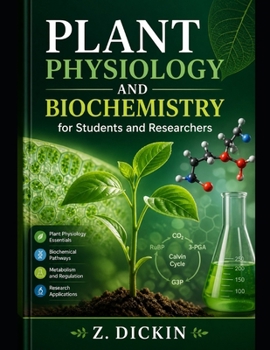
Plant Physiology and Biochemistry for Students and Researchers

Plant Physiology and Biochemistry for Students and Researchers
Plants are fundamental to life on Earth. They serve as the primary producers in ecosystems, converting sunlight into chemical energy through the remarkable process of photosynthesis. This energy fuels nearly all life forms and maintains the balance of the biosphere. The scientific disciplines of Plant Physiology and Biochemistry explore how plants function, grow, and respond to their environment at both the physiological and molecular levels.
Plant physiology focuses on understanding the physical and chemical processes that occur within plants. It examines how plants absorb water and nutrients, transport substances internally, regulate growth through hormones, and adapt to environmental stresses such as drought, temperature fluctuations, and soil conditions. Biochemistry, on the other hand, investigates the molecular mechanisms underlying these processes, including enzyme activity, metabolic pathways, and the synthesis of essential biomolecules.
Together, plant physiology and biochemistry provide a comprehensive understanding of plant life. They reveal how complex biochemical reactions enable plants to capture light energy, produce organic compounds, and sustain cellular activities. Processes such as Photosynthesis, Respiration, and nutrient assimilation demonstrate the remarkable efficiency of plant systems and highlight their critical role in sustaining life on Earth.
In recent decades, advances in molecular biology, genetics, and biotechnology have transformed the study of plants. Researchers can now analyze plant genomes, identify genes responsible for important traits, and develop crops with improved productivity, resistance to diseases, and tolerance to environmental stresses. These developments have strengthened the importance of plant physiology and biochemistry in addressing global challenges such as food security, climate change, and sustainable agriculture.
This book, Plant Physiology and Biochemistry for Students and Researchers, is designed to provide a clear and comprehensive overview of the principles governing plant life. It presents fundamental concepts, key biochemical pathways, and modern research perspectives in an accessible and structured manner. The book aims to bridge the gap between theoretical knowledge and practical understanding, making it valuable for undergraduate students, postgraduate learners, and researchers in plant sciences.
Throughout the chapters, readers will explore the structure and function of plant cells, water relations, mineral nutrition, energy metabolism, plant hormones, stress physiology, and various biochemical pathways that regulate plant growth and development. Special emphasis is placed on integrating physiological processes with their biochemical foundations, enabling readers to appreciate the complexity and coordination of plant systems.
By studying plant physiology and biochemistry, students and researchers gain insights into the mechanisms that enable plants to thrive in diverse environments. Such knowledge not only deepens our understanding of plant biology but also contributes to innovations in agriculture, biotechnology, and environmental conservation.
Ultimately, this book aims to inspire curiosity about plant life and encourage readers to explore the fascinating world of plant science. As we continue to face global environmental and agricultural challenges, a deeper understanding of plant physiology and biochemistry will remain essential for building a sustainable future.
Customer Reviews
ThriftBooks ® and the ThriftBooks ® logo are registered trademarks of Thrift Books Global, LLC
