


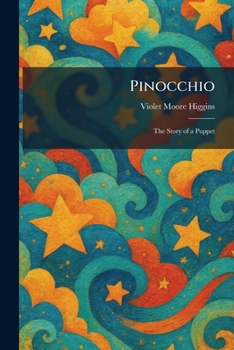
Pinocchio: The Story of a Puppet

"Pinocchio: The Story of a Puppet" is one of the most beloved masterpieces of children's literature, following the extraordinary adventures of a wooden marionette who dreams of becoming a real boy. Crafted by the woodcarver Geppetto, Pinocchio is a mischievous and impulsive character whose journey is marked by a series of whimsical yet perilous encounters. From the Fox and the Cat to the Land of Toys and the belly of a giant shark, the narrative explores themes of honesty, loyalty, and the consequences of one's choices.
This timeless tale serves as both an entertaining fantasy and a profound morality story. Pinocchio's struggle to resist temptation and his eventual transformation highlight the importance of hard work and filial devotion. With its rich cast of characters-including the Talking Cricket and the Blue Fairy-the story captures the imagination of readers of all ages. This work brings to life the vibrant world of Carlo Collodi's creation, emphasizing the enduring charm and cultural significance of Italy's most famous puppet. Whether navigating the dangers of the world or learning the value of truth, Pinocchio's path toward humanity remains a cornerstone of the literary canon.
This work has been selected by scholars as being culturally important, and is part of the knowledge base of civilization as we know it. This work was reproduced from the original artifact, and remains as true to the original work as possible. Therefore, you may see the original copyright references, library stamps (as most of these works have been housed in our most important libraries around the world), and other notations in the work.
This work is in the public domain in the United States of America, and possibly other nations. Within the United States, you may freely copy and distribute this work, as no entity (individual or corporate) has a copyright on the body of the work.
As a reproduction of a historical artifact, this work may contain missing or blurred pages, poor pictures, errant marks, etc. Scholars believe, and we concur, that this work is important enough to be preserved, reproduced, and made generally available to the public. We appreciate your support of the preservation process, and thank you for being an important part of keeping this knowledge alive and relevant.
Customer Reviews
ThriftBooks ® and the ThriftBooks ® logo are registered trademarks of Thrift Books Global, LLC
