


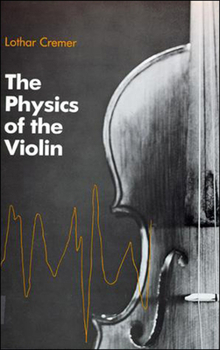
The Physics of the Violin

Select Format
Select Condition 
Book Overview
UK
Format:Paperback
Language:English
ISBN:0262527073
ISBN13:9780262527071
Release Date:November 1984
Publisher:MIT Press
Length:482 Pages
Weight:1.45 lbs.
Dimensions:1.0" x 6.3" x 8.8"
Age Range:18 years and up
Grade Range:Postsecondary and higher
Customer Reviews
1 rating
An Acoustic Algorithm
Published by Thriftbooks.com User , 17 years ago
An erudite exploration into the scientific measurements and resonant elements that "languages" the soul-speak of this beloved instrument. This study is an unapologetic assessment of the physical body of the instrument without compromising it's romantic aura. The mystique and speculation have continued unabated for centuries in regard to the violin. From spectrographic analysis of the wood fibers to the placement of the sound holes the violin is the most continually explored man-made phenomenon extant. While not a resolution to this age-old dichotomy it does lend credible expert witness to the violin's mathmatical/tonal relationship. If you desire to understand the subtle nuances of the violin's character whilst maintaining an objective appreciation this is your book. Whether you're a luthier at the bench, playing "first chair" at the philharmonic or a reader in a recliner, this is a treasure trove you're sure to enjoy. Truly one of a kind!
Copyright © 2026 Thriftbooks.com
Terms of Use | Privacy Policy | Do Not Sell/Share My Personal Information | Cookie Notice | Cookie Preferences | Accessibility Statement
ThriftBooks ® and the ThriftBooks ® logo are registered trademarks of Thrift Books Global, LLC
ThriftBooks ® and the ThriftBooks ® logo are registered trademarks of Thrift Books Global, LLC
