


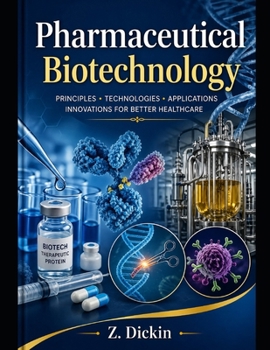
Pharmaceutical Biotechnology
No Customer Reviews

Pharmaceutical biotechnology has emerged as one of the most dynamic and rapidly advancing fields in modern science. By integrating principles of molecular biology, genetics, microbiology, immunology, and biochemical engineering, pharmaceutical biotechnology has revolutionized the discovery, development, and production of therapeutic drugs. Many modern medicines-including recombinant proteins, monoclonal antibodies, vaccines, and gene therapies-are products of biotechnological innovation. These advances have significantly improved the treatment of diseases that were once considered difficult or impossible to manage.
The purpose of this book, "Pharmaceutical Biotechnology," is to provide a comprehensive and accessible overview of the fundamental principles and modern applications of biotechnology in pharmaceutical sciences. The book is designed for undergraduate and postgraduate students of biotechnology, pharmacy, microbiology, and life sciences, as well as researchers and professionals interested in the rapidly expanding field of biopharmaceuticals.
The chapters of this book are organized to guide readers from the basic concepts of biotechnology to advanced therapeutic technologies used in modern medicine. Early chapters introduce the foundations of pharmaceutical biotechnology, including recombinant DNA technology, gene cloning, and molecular biology techniques. These fundamental tools have enabled scientists to engineer microorganisms, plant cells, and animal cells to produce valuable pharmaceutical products.
Subsequent chapters explore important areas such as vaccine development, monoclonal antibody technology, protein therapeutics, and gene therapy. Special attention is given to the role of biotechnology in the development of novel drugs for cancer, genetic disorders, and infectious diseases. The book also discusses modern drug delivery systems, pharmacogenomics, and personalized medicine, which represent the future direction of pharmaceutical treatment strategies.
Another important focus of this book is the industrial and regulatory aspects of pharmaceutical biotechnology. Biopharmaceutical production requires sophisticated bioprocessing techniques, quality control systems, and regulatory approval procedures to ensure the safety and effectiveness of biotechnology-derived medicines. Understanding these processes is essential for students and professionals who plan to work in pharmaceutical research or manufacturing industries.
Recent technological advancements have dramatically accelerated innovation in biotechnology. Technologies such as gene editing, synthetic biology, artificial intelligence, nanotechnology, and regenerative medicine are opening new possibilities for the treatment of complex diseases. The final chapters of this book highlight these emerging technologies and discuss how they may shape the future of pharmaceutical development and healthcare.
Every effort has been made to present the information in a clear and structured manner so that readers can easily understand both the theoretical concepts and practical applications of pharmaceutical biotechnology. Examples from real-world research and pharmaceutical products have been included to illustrate the impact of biotechnology on modern medicine.
It is hoped that this book will serve as a useful resource for students, educators, and researchers who wish to gain a deeper understanding of biotechnology-based drug development. As the field continues to evolve, pharmaceutical biotechnology will undoubtedly play a central role in improving global health and advancing medical science.
The purpose of this book, "Pharmaceutical Biotechnology," is to provide a comprehensive and accessible overview of the fundamental principles and modern applications of biotechnology in pharmaceutical sciences. The book is designed for undergraduate and postgraduate students of biotechnology, pharmacy, microbiology, and life sciences, as well as researchers and professionals interested in the rapidly expanding field of biopharmaceuticals.
The chapters of this book are organized to guide readers from the basic concepts of biotechnology to advanced therapeutic technologies used in modern medicine. Early chapters introduce the foundations of pharmaceutical biotechnology, including recombinant DNA technology, gene cloning, and molecular biology techniques. These fundamental tools have enabled scientists to engineer microorganisms, plant cells, and animal cells to produce valuable pharmaceutical products.
Subsequent chapters explore important areas such as vaccine development, monoclonal antibody technology, protein therapeutics, and gene therapy. Special attention is given to the role of biotechnology in the development of novel drugs for cancer, genetic disorders, and infectious diseases. The book also discusses modern drug delivery systems, pharmacogenomics, and personalized medicine, which represent the future direction of pharmaceutical treatment strategies.
Another important focus of this book is the industrial and regulatory aspects of pharmaceutical biotechnology. Biopharmaceutical production requires sophisticated bioprocessing techniques, quality control systems, and regulatory approval procedures to ensure the safety and effectiveness of biotechnology-derived medicines. Understanding these processes is essential for students and professionals who plan to work in pharmaceutical research or manufacturing industries.
Recent technological advancements have dramatically accelerated innovation in biotechnology. Technologies such as gene editing, synthetic biology, artificial intelligence, nanotechnology, and regenerative medicine are opening new possibilities for the treatment of complex diseases. The final chapters of this book highlight these emerging technologies and discuss how they may shape the future of pharmaceutical development and healthcare.
Every effort has been made to present the information in a clear and structured manner so that readers can easily understand both the theoretical concepts and practical applications of pharmaceutical biotechnology. Examples from real-world research and pharmaceutical products have been included to illustrate the impact of biotechnology on modern medicine.
It is hoped that this book will serve as a useful resource for students, educators, and researchers who wish to gain a deeper understanding of biotechnology-based drug development. As the field continues to evolve, pharmaceutical biotechnology will undoubtedly play a central role in improving global health and advancing medical science.
Format:Paperback
Language:English
ISBN:B0GZ6RKM1K
ISBN13:9798195009953
Release Date:April 2026
Publisher:Independently Published
Length:170 Pages
Weight:0.90 lbs.
Dimensions:0.4" x 8.5" x 11.0"
Customer Reviews
0 rating
Copyright © 2026 Thriftbooks.com
Terms of Use | Privacy Policy | Do Not Sell/Share My Personal Information | Cookie Policy | Cookie Preferences | Accessibility Statement
ThriftBooks ® and the ThriftBooks ® logo are registered trademarks of Thrift Books Global, LLC
ThriftBooks ® and the ThriftBooks ® logo are registered trademarks of Thrift Books Global, LLC
