


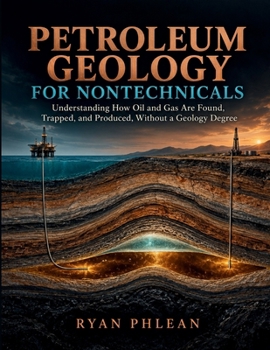
Petroleum Geology For Nontechnicals

Petroleum Geology for Nontechnicals transforms an intimidating technical subject into a clear, practical guide for anyone who works in-or wants to understand-the oil and gas industry. Using straightforward explanations, it takes you beneath the Earth's surface to reveal how petroleum systems develop and how geoscientists identify commercially promising resources.
Inside, you will learn how to:
Understand source rocks, hydrocarbon maturation, migration, reservoirs, seals, and trapsRecognize how sedimentary basins and rock properties influence petroleum accumulationMake sense of seismic surveys, well logs, core samples, and subsurface mapsDistinguish conventional, unconventional, onshore, and offshore resourcesUnderstand drilling, field development, production, reserves, and exploration riskFollow technical discussions with geologists, engineers, investors, regulators, and operatorsExplore how petroleum geoscience connects with carbon storage, geothermal energy, and the changing energy landscapeOrganized into 28 accessible chapters, the book follows the complete petroleum journey-from Earth science fundamentals and exploration to drilling, production, environmental responsibility, and the future of the profession. Chapter summaries reinforce the central ideas, while practical industry examples connect geological concepts to real commercial decisions.
Whether you are a landman, manager, investor, regulator, student, energy professional, or curious newcomer, this book will help you understand the geological language behind the global oil and gas business.
Start reading today and gain the petroleum knowledge you need to participate confidently in industry conversations and decisions.Customer Reviews
ThriftBooks ® and the ThriftBooks ® logo are registered trademarks of Thrift Books Global, LLC
