


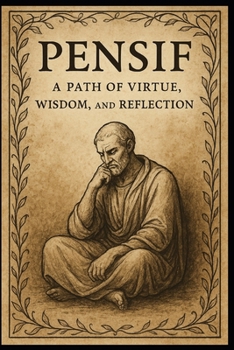
Pensif: A Path of Virtue, Wisdom, and Reflection: Volume 1

Pensif is a comprehensive guide to character development that bridges ancient wisdom with modern psychology, offering practical tools for building virtue without requiring specific religious beliefs.
StructurePart I: Foundation of Self-Knowledge establishes groundwork through memory work, shadow integration, mindfulness practices, and clearing past emotional burdens. Readers learn honest self-examination and conscious choice-making.
Part II: The Eight Pillars of Virtue systematically develops core character strengths: Honesty, Honor, Humility, Justice, Sacrifice, Valor, Compassion, and Spirituality. Each virtue is explored through philosophical understanding, practical applications, and real-world challenges.
Key FeaturesPractical Integration: 60+ exercises across 12 chapters for immediate implementationPsychological Grounding: Trauma-informed, mindfulness-based approaches accessible to general readersInclusive Spirituality: Respects all non-violent traditions while offering secular pathsCharacter-Focused: Emphasizes becoming someone you respect over external achievementSustainable Development: Gradual, lifelong practices rather than quick fixesUnique ValueUnlike typical self-help books, Pensif requires readers to do difficult inner work-examining painful memories, facing personal shadows, and building virtue through daily practice. It combines the depth of philosophical wisdom with the practicality of modern psychology.
Target AudienceAdults seeking authentic personal development beyond superficial approaches, spiritual seekers from any tradition wanting practical virtue development, people questioning inherited beliefs who need ethical frameworks, and anyone feeling disconnected from meaning in modern life.
ApproachWritten in accessible, conversational style with intellectual depth. The author shares personal struggles alongside insights, creating authenticity over superiority. Approximately 110,000 words of substantial, actionable content.
Bottom Line: Pensif is for readers willing to do real character work-facing themselves honestly, committing to daily practice, and building lives guided by virtue rather than impulse. It provides both roadmap and tools for authentic human development, preparing readers for Book 2's applications to faith, technology, money, and modern social challenges.
Related Subjects
Religion Religion & Spirituality Self Help Self-Help Self-Help & Psychology SpiritualityCustomer Reviews
ThriftBooks® and the ThriftBooks® logo are registered trademarks of Thrift Books Global, LLC
