


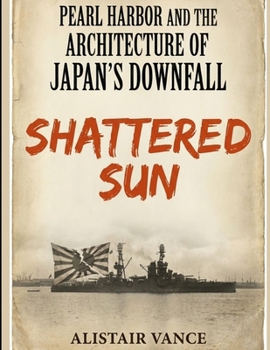
Pearl Harbor and the Architecture of Japan's Downfall: Shattered Sun

Pearl Harbor is remembered as America's tragedy, but for Japan, it was the beginning of the end.
In Shattered Sun: Pearl Harbor and the Architecture of Japan's Downfall, historian Alistair Vance delivers a penetrating reassessment of one of the most consequential moments in modern history. Moving beyond the familiar narrative of surprise attack and tactical brilliance, this book argues that Pearl Harbor was not Japan's greatest triumph but its most catastrophic strategic mistake.
Drawing on naval records, diplomatic correspondence, internal military debates, and firsthand accounts, Shattered Sun reconstructs the attack minute by minute while exposing the deeper forces that made Japan's defeat inevitable. From crippling resource shortages and oil embargoes to poisonous rivalries between the Imperial Army and Navy, the book reveals how internal fractures and flawed assumptions doomed Japan long before the war reached Midway or Hiroshima.
At the center of the story stands Admiral Isoroku Yamamoto, the reluctant architect of the raid, a man who understood American industrial power better than his peers and feared the consequences of awakening it. His gamble achieved near-perfect execution, yet failed where it mattered most: strategy, logistics, and psychology. By sparing America's aircraft carriers, fuel reserves, and repair infrastructure, Japan ensured that the United States could recover with terrifying speed.
Shattered Sun is not merely a military history. It is a study in leadership failure, institutional hubris, and the dangers of confusing short-term victories with long-term success. With vivid narrative prose and rigorous analysis, this book demonstrates how a nation can win the battle and lose the war in the very same morning.
Ideal for readers of World War II history, military strategy, and geopolitical analysis, Shattered Sun challenges conventional wisdom and reframes Pearl Harbor as the moment Japan unknowingly signed its own defeat.
Related Subjects
HistoryCustomer Reviews
ThriftBooks ® and the ThriftBooks ® logo are registered trademarks of Thrift Books Global, LLC
