



Select Format
Select Condition 
Book Overview
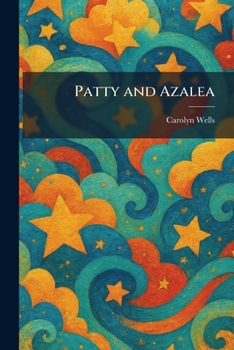
"Patty and Azalea" is a charming installment in Carolyn Wells' beloved series featuring the spirited Patty Fairfield. Set against the backdrop of the early twentieth century, the story explores the social graces, domestic lives, and youthful adventures of young women navigating their way into adulthood. In this volume, the narrative centers on the evolving friendship between the vivacious Patty and the titular Azalea, highlighting the importance of empathy, loyalty, and social responsibility.
Wells expertly captures the manners of the era, offering a window into a world of elegant gatherings and the wholesome moral dilemmas faced by her characters. The work is characterized by its witty dialogue and keen observation of social nuances, making it a quintessential example of girls' series fiction from this period. As Patty matures, her journey reflects the values and expectations of her time while remaining relatable through its timeless themes of camaraderie and personal growth.
Ideal for readers of classic juvenile literature, "Patty and Azalea" stands as a testament to the enduring appeal of the Patty Fairfield character. It remains a significant piece of historical fiction that emphasizes the power of kindness and the enduring strength of female bonds.
This work has been selected by scholars as being culturally important, and is part of the knowledge base of civilization as we know it. This work was reproduced from the original artifact, and remains as true to the original work as possible. Therefore, you may see the original copyright references, library stamps (as most of these works have been housed in our most important libraries around the world), and other notations in the work.
This work is in the public domain in the United States of America, and possibly other nations. Within the United States, you may freely copy and distribute this work, as no entity (individual or corporate) has a copyright on the body of the work.
As a reproduction of a historical artifact, this work may contain missing or blurred pages, poor pictures, errant marks, etc. Scholars believe, and we concur, that this work is important enough to be preserved, reproduced, and made generally available to the public. We appreciate your support of the preservation process, and thank you for being an important part of keeping this knowledge alive and relevant.
Customer Reviews
ThriftBooks® and the ThriftBooks® logo are registered trademarks of Thrift Books Global, LLC
