Pasteur's Fight Against Microbes (Science Stories)
(Part of the Science Stories Series)
Conditions
An apparently unread copy in perfect condition.
Formats
Conditions
An apparently unread copy in perfect condition.
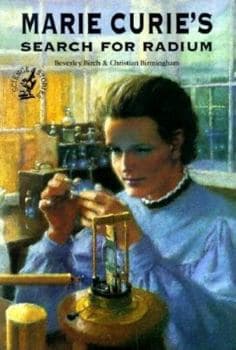
(Part of the Science Stories Series)
Conditions
An apparently unread copy in perfect condition.
Formats
Conditions
An apparently unread copy in perfect condition.
Who was Louis Pasteur? He revolutionized medicine and biology An exciting tale of scientific exploration for kids
Parents, teachers, and gift givers will find:
In 1856, when Louis Pasteur first began studying microbes in rotten sugarbeet juice, he put into motion a chain of events that saved France's wine industry. The perfect Louis Pasteur biography for kids
I'm very excited about this book; enjoyed it thoroughly with my kids. Each page of the book has a 2-page, full-bleed illustration done in the style of oil-on-canvas. The contents gave a clear, concise view of who Pasteur is, what microbes are, and why Pasteur's contributions are significant. The contents are a more comprehensive insight into Pasteur's work than you'd find in an encyclopedia, but less than you'd find in a biography or science journal. In other words, just right for elementary school kids. I will be looking for more books in the Science Stories Series. They did a beautiful job with this book, and best of all, it left my kids hungry for more!
Pasteur's Fight Against Microbes is a good way to introduce the subject of bacteria to children. Even when the book explains many facts meant for elementary kids, I think it can be read to kids as young as four. My 4y/o loved the story and the illustrations.
I especailly like the illustrations. Content is good too. I wish the author had included something of Pasteur's Christian faith, as is was a great factor in his confident and untiring search for answers to the mysteries puzzling him.
My son loved this book. I read it to him, then found him reading it to himself the next day. He found it very exciting. Great for kids interested in science. Gives science a human face.