


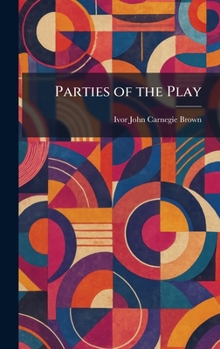
Parties of the Play

"Parties of the Play" is a sophisticated and insightful examination of the theatrical arts by the renowned critic Ivor John Carnegie Brown. This work explores the complex ecosystem of the stage, meticulously dissecting the various roles and influences that converge to create a dramatic production. From the creative impulses of the playwright and the expressive craft of the actor to the vital presence of the audience and the discerning eye of the critic, Brown provides a comprehensive overview of the dynamics behind the footlights.
Writing during a vibrant period for the British stage, Brown brings a sharp, analytical perspective to the mechanics of performance and the evolution of dramatic form. The book serves as both a historical record of early 20th-century theatrical thought and a timeless study of the philosophy of playmaking. Brown's prose is both engaging and authoritative, making this an essential resource for students of drama, theatre historians, and anyone fascinated by the collaborative nature of the performing arts. "Parties of the Play" delves into the inherent tensions and necessary partnerships that define the theatrical experience, offering readers a deeper understanding of how narrative and spectacle are transformed into living art.
This work has been selected by scholars as being culturally important, and is part of the knowledge base of civilization as we know it. This work was reproduced from the original artifact, and remains as true to the original work as possible. Therefore, you may see the original copyright references, library stamps (as most of these works have been housed in our most important libraries around the world), and other notations in the work.
This work is in the public domain in the United States of America, and possibly other nations. Within the United States, you may freely copy and distribute this work, as no entity (individual or corporate) has a copyright on the body of the work.
As a reproduction of a historical artifact, this work may contain missing or blurred pages, poor pictures, errant marks, etc. Scholars believe, and we concur, that this work is important enough to be preserved, reproduced, and made generally available to the public. We appreciate your support of the preservation process, and thank you for being an important part of keeping this knowledge alive and relevant.
Customer Reviews
ThriftBooks® and the ThriftBooks® logo are registered trademarks of Thrift Books Global, LLC
