


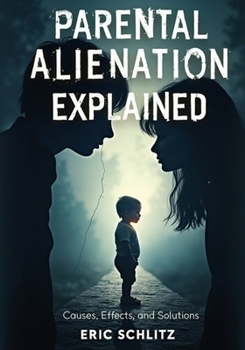
Parental Alienation Explained: Causes, Effects, and Solutions
No Customer Reviews

Parental Alienation Syndrome (PAS) is an emotionally charged, multifaceted phenomenon that can fracture the very foundation of a family. When one parent consciously or unconsciously manipulates a child's perception of the other parent, the emotional fallout can be profound and far-reaching. In such cases, a child who once felt love or security with both parents may suddenly exhibit hostility or indifference toward one parent, setting into motion a cascade of psychological, social, and even legal complications.
Provide a Comprehensive Understanding of Causes, Effects, and SolutionsCauses: High-conflict separations, personality disorders, external societal pressures, and more.Effects: Emotional harm to children, psychological distress for alienated parents, relational upheavals within the family, and broader societal implications.Solutions: Legal advocacy, therapy, mediation, and preventative measures that emphasize early detection and cooperative co-parenting.While PAS often enters public consciousness through heated custody battles or sensationalized media coverage, it is far more than a simple legal conflict. Multiple factors-psychological vulnerabilities, high-conflict relationships, cultural influences, and even personality disorders-can pave the way for parental alienation. This eBook seeks to illuminate these factors, granting readers a comprehensive view of how alienation develops and persists.Clarifying Complex Causes
PAS can stem from acrimonious divorces or separations, where hurt, anger, and a desire for control coalesce into manipulative behaviors.Underlying parental mental health issues, such as borderline or narcissistic personality traits, can distort how a parent relates to the child and ex-partner.Societal and cultural pressures-from extended family expectations to media narratives-can exacerbate or facilitate PAS.Exploring Wide-Ranging Impacts
Children enmeshed in PAS face emotional turmoil that can hinder social development, academic performance, and long-term mental health.Alienated parents frequently experience intense grief, confusion, and helplessness as they watch their child drift away under a barrage of negative narratives.The family system, including siblings and extended relatives, may fragment as loyalties are tested and alliances formed.Offering Holistic Solutions
Legal interventions alone rarely suffice; therapeutic strategies, improved communication methods, and cooperative co-parenting models are crucial for resolving or mitigating alienation.By combining legal, therapeutic, and educational interventions, families stand a better chance of repairing bonds and fostering healthier dynamics.Equip Readers with Practical Strategies to Identify and Address Parental AlienationRed Flag Indicators: How to detect early signs of alienation in children's behaviors or in an ex-partner's manipulative patterns.Communication Techniques: Guidance for alienated parents on maintaining calm, constructive dialogue-even amidst hostility.Therapeutic and Legal Resources: Directories of support organizations, therapist referral guidelines, and legal advocacy steps to safeguard parental rights and child welfare.Format:Paperback
Language:English
ISBN:B0F1V3LX17
ISBN13:9798314516157
Release Date:March 2025
Publisher:Independently Published
Length:70 Pages
Weight:0.30 lbs.
Dimensions:0.1" x 7.0" x 10.0"
Related Subjects
Parenting & RelationshipsCustomer Reviews
0 rating
Copyright © 2026 Thriftbooks.com
Terms of Use | Privacy Policy | Do Not Sell/Share My Personal Information | Cookie Policy | Cookie Preferences | Accessibility Statement
ThriftBooks ® and the ThriftBooks ® logo are registered trademarks of Thrift Books Global, LLC
ThriftBooks ® and the ThriftBooks ® logo are registered trademarks of Thrift Books Global, LLC
