


All Formats & Editions
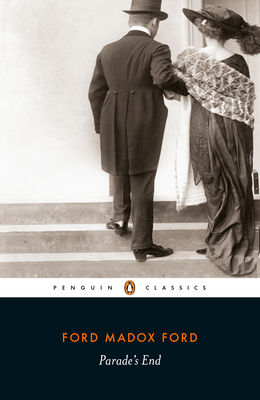
Parade's End (Penguin Modern Classics)
Parade's End
Ford Madox Ford's acclaimed masterpiece is widely considered one of the best novels of the twentieth century. Parade's End was originally published in four parts ( Some Do Not . . ., No More Parades , A Man Could Stand Up --, and Last Post ) between 1924 and 1928. It explores...
Parade's End: Introduction by Malcolm Bradbury
Parade's End (Full Tetralogy: Some Do Not, No M...
Not just about the war but about a whole era and its destruction "quite simply, the best fictional treatment of war in the history of the novel"-Mary Gordon. "There are not many English novels which deserve to be called great: Parade's...
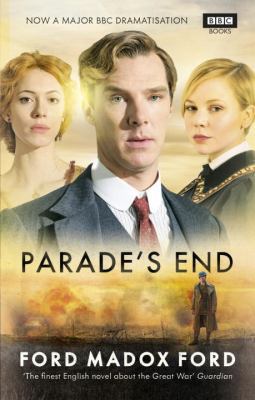
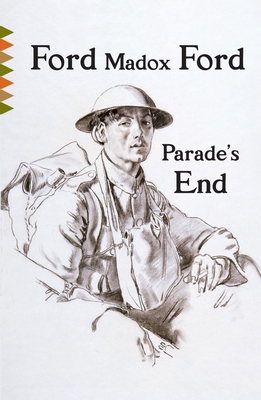
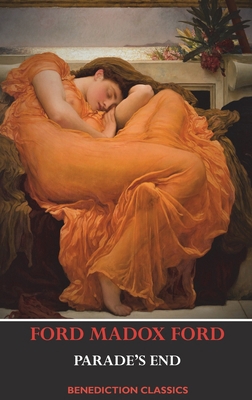
Parade's End (Full Tetralogy: Some Do Not, No M...
Not just about the war but about a whole era and its destruction "quite simply, the best fictional treatment of war in the history of the novel"-Mary Gordon. "There are not many English novels which deserve to be called great: Parade's...
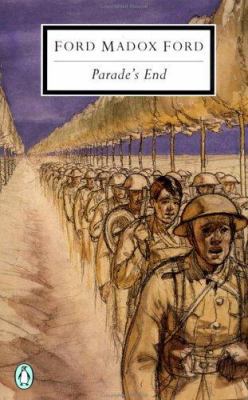
![Parade's End [Unknown] B00ZUNNA18 Book Cover](https://m.media-amazon.com/images/I/41ZaYj5KBqL._SL500_.jpg)
Parade's End [Unknown]

Parade's End
(Book Jacket Status: Jacketed) Introduction by Malcolm Bradbury

Parade's End (Everyman's Library Classics)

Parades End
(Book Jacket Status: Jacketed) Introduction by Malcolm Bradbury
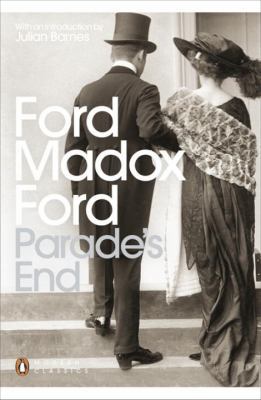
Modern Classics: Parade's End (Penguin Modern C...
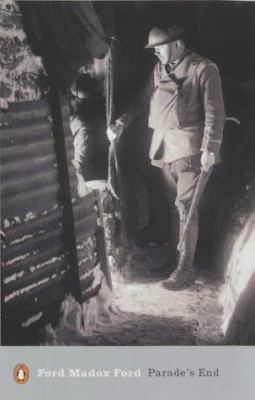
Modern Classics Parades End
![El final del desfile (Spanish Edition) [Spanish] 8426416934 Book Cover](https://m.media-amazon.com/images/I/31Jz0AE59PL._SL500_.jpg)
El final del desfile (Spanish Edition) [Spanish]
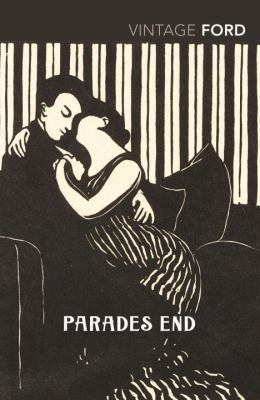
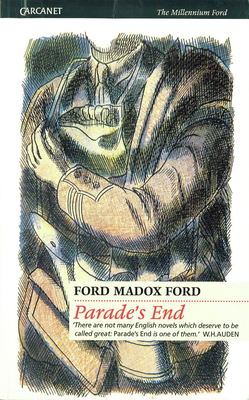
Parade's End
"Parade's End is the title Ford Madox Ford gave to his greatest work, the four Tietjens novels which, in Graham Greene's words, tell "the terrifying story of a good man tortured, pursued, driven into revolt, and ruined as far as the world is concerned by the clever devices...

Parade's End: The Complete Series: All Four Nov...
Parade's End (1924-1928) is a Tetralogy of Novels by the British Novelist and Poet: Ford Madox Ford. The setting is mainly England and the Western Front of the First World War, in which Ford had served as an officer in the Welch Regiment, a life he vividly depicts. The individual...

Parade's End (#7147)

PARADE'S END ; WITH AN INTRODUCTION BY ROBIE MA...
ThriftBooks® and the ThriftBooks® logo are registered trademarks of Thrift Books Global, LLC
