


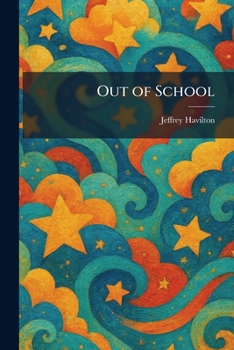
Out of School

Select Format
Select Condition 
Book Overview
"Out of School" by Jeffrey Havilton is a spirited and engaging example of the classic British school story, a genre that captured the imaginations of young readers throughout the early twentieth century. Set within the structured yet often unpredictable world of a boys' boarding school, the narrative follows the adventures and misadventures of its protagonists as they navigate the complexities of academic life, competitive sports, and the enduring bonds of friendship.
Havilton's work is characterized by its authentic portrayal of the schoolboy ethos, blending moments of high-spirited humor with the serious business of character-building and schoolboy honor. The plot delves into the rivalries and alliances that define the "out of school" hours, exploring how the lessons learned on the playing fields and in the dormitory are just as vital as those taught in the classroom. With its focus on loyalty, pluck, and the timeless challenges of growing up, "Out of School" offers a nostalgic and vivid window into a bygone era of juvenile literature. This work remains a significant piece of social and literary history, reflecting the values and aspirations of its time while providing an entertaining tale of youthful exuberance and camaraderie.
This work has been selected by scholars as being culturally important, and is part of the knowledge base of civilization as we know it. This work was reproduced from the original artifact, and remains as true to the original work as possible. Therefore, you may see the original copyright references, library stamps (as most of these works have been housed in our most important libraries around the world), and other notations in the work.
This work is in the public domain in the United States of America, and possibly other nations. Within the United States, you may freely copy and distribute this work, as no entity (individual or corporate) has a copyright on the body of the work.
As a reproduction of a historical artifact, this work may contain missing or blurred pages, poor pictures, errant marks, etc. Scholars believe, and we concur, that this work is important enough to be preserved, reproduced, and made generally available to the public. We appreciate your support of the preservation process, and thank you for being an important part of keeping this knowledge alive and relevant.
Customer Reviews
ThriftBooks ® and the ThriftBooks ® logo are registered trademarks of Thrift Books Global, LLC
