


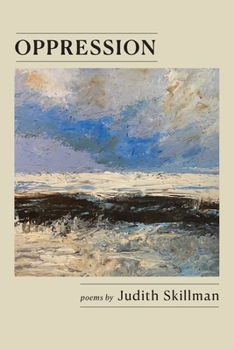
Oppression

The central theme of Oppression is war and the innate cruelty of humanity, especially as seen through WWII's lingering, intergenerational impacts on ancestral figures portrayed in these poems. Patriarchal dominance as it influences domestic life emerges prominently in "You Watch" and "Arguments of the Dead." Women's issues begin the collection with "Two of Every" and are further developed through mythological allusions to Penelope, Demeter, and Persephone. Organic imagery-birds, horses, rabbits, chickweed, crabapples-thread Oppression's five-part structure, and move the reader from domesticity through the immigrant experience, woundedness, and music. While this work is dark, it is hopeful, as if to spite the cynical personas who inhabit the poems.
Related Subjects
PoetryCustomer Reviews
ThriftBooks ® and the ThriftBooks ® logo are registered trademarks of Thrift Books Global, LLC
