


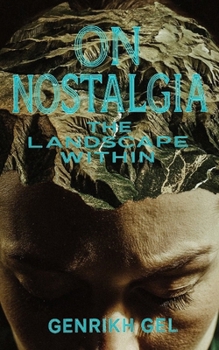
On Nostalgia: The Landscape Within

Nostalgia: The Landscape Within dissects humanity's bond with the past through neuroscience, culture, and existential inquiry. At its core, nostalgia emerges as a biological imperative: the brain's hippocampus and amygdala collaborate to transform fleeting memories into anchors of identity, while dopamine and opioids blur the line between recollection and myth.
Gen Z epitomizes modernity's paradox, fetishizing analog relics and algorithmically curated eras they never lived. Meanwhile, industries commodify longing-Hollywood resurrects franchises, brands repackage retro kitsch, and poets mine personal histories to navigate a fragmented present.
Yet nostalgia's true power lies in its existential utility. It bridges the selves we were and those we become, offering fleeting coherence in a world of impermanence. Readers ought to confront nostalgia's dual role as both sanctuary and shackle, asking what it means to be human when the past is digitized, distorted, and sold back to us. Just why do we cling to shadows-and what we risk if we let go.
Customer Reviews
ThriftBooks ® and the ThriftBooks ® logo are registered trademarks of Thrift Books Global, LLC
