


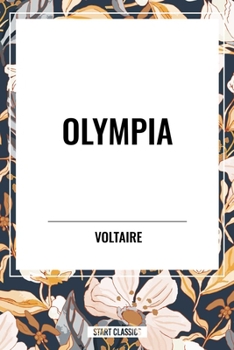
Olympia
No Customer Reviews

Select Format
Select Condition 
Book Overview
Yet it is too soon. When I possess the crown your faithful eyes Shall be the witnesses of all my deeds. Stay in this porch the priestesses to-day Present Olympia to the powers divine: This day in secret she must expiate Sins which are even to herself unknown. This day a better life I shall begin. O dear Olympia may you never know The heinous crime that's hardly yet effaced To whom your birth you owe what blood I've shed.Wilder Publications is a green publisher. All of our books are printed to order. This reduces waste and helps us keep prices low while greatly reducing our impact on the environment.
Format:Paperback
Language:English
ISBN:B0D48CYNBY
ISBN13:9798880909070
Release Date:May 2024
Publisher:Start Publishing Pd
Length:46 Pages
Related Subjects
DramaCustomer Reviews
0 rating
Copyright © 2026 Thriftbooks.com
Terms of Use | Privacy Policy | Do Not Sell/Share My Personal Information | Cookie Notice | Cookie Preferences | Accessibility Statement
ThriftBooks ® and the ThriftBooks ® logo are registered trademarks of Thrift Books Global, LLC
ThriftBooks ® and the ThriftBooks ® logo are registered trademarks of Thrift Books Global, LLC
